


Happy May, everyone. What a wild week this was.
FISA Section 702 has been reauthorized for 45 days. Congress reopened the Department of Homeland Security after a 75-day shutdown. The House passed a farm bill, even if it will die in the Senate.
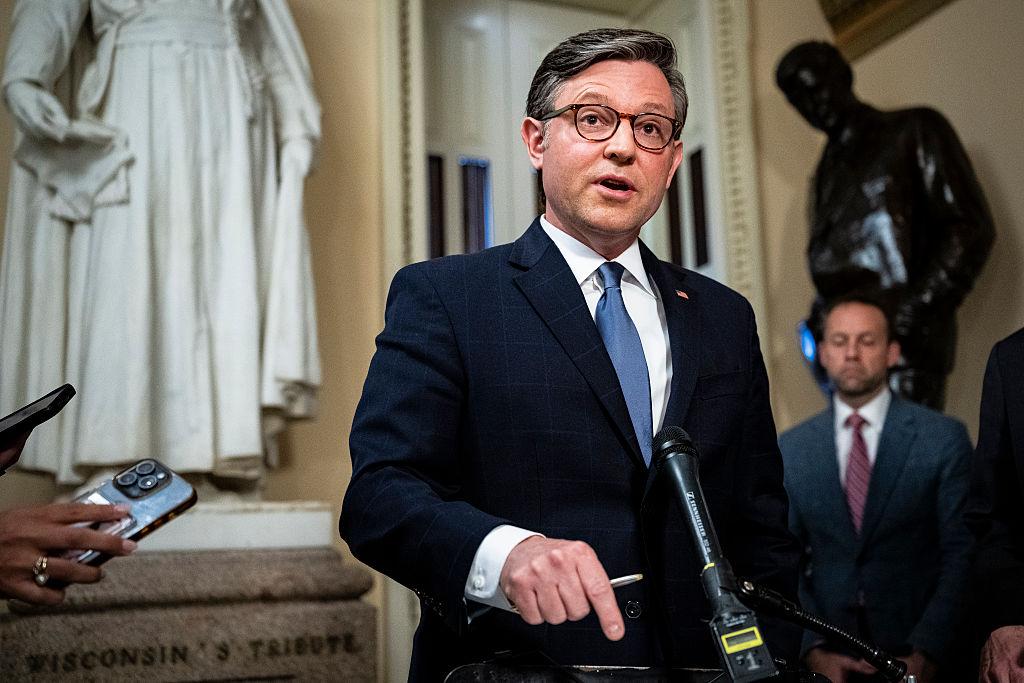
Speaker Mike Johnson had quite the week, having squeezed through FISA, DHS and a budget resolution to begin the process of passing a second reconciliation bill to fund ICE and Border Patrol for three years.
The whole process was a mess. It was chaotic. It was Congress at its best — or worst.
Congress is now on recess until the week of May 11. Most lawmakers will be home campaigning. Some will be on PAC trips or CODELs. But when they return to Washington, members and senators have yet another FISA deadline. Republicans have two reconciliation bills to tackle. FY2027 funding bills will be up. There’s absolutely zero election-year slowdown.
Let’s review for a moment some of the dynamics that have cropped up during this legislative period. These will help define the next few months.
House and Senate Republicans aren’t getting along. Johnson and Senate Majority Leader John Thune are remarkably divided right now. They may make nice publicly, but in private, House and Senate GOP leaders are knifing each other with stunning regularity.
Top House Republicans say Thune folded to Democrats when he passed a DHS bill last month to fund the entire agency besides ICE and Border Patrol. Yet Johnson ended up passing that same bill Thursday after initially saying no and then dragging his feet for a few more weeks.
The bad feelings were exacerbated by Thune panning the House’s proposed three-year FISA extension, which was paired with a ban on a central bank digital currency, a big issue for conservatives. The CBDC provision was House Majority Whip Tom Emmer’s proposal. Thune called it a poison pill, which it likely was.
Thune told reporters that Johnson was well aware of the CBDC objections in the Senate. But the House GOP leadership wasn’t pleased with how everything was handled.
“John Thune asked to be the leader of the Senate but he is not leading,” said Rep. Warren Davidson (R-Ohio), a big booster of the CBDC. “He didn’t even bring this to the floor for a debate. He keeps throwing up excuse after excuse. … Anyone can find an excuse. Leaders find a way. And it’s time for John Thune to do that or step aside.”
Davidson’s harsh take isn’t really a problem for Thune, but the bicameral Republican frustration is mutual. Senate GOP leaders have been irked at Johnson’s refusal to put the bipartisan DHS bill on the floor for weeks. They saw it as an abandonment of Johnson’s promise to fund DHS “in the coming days.”
Furthermore, after Johnson railed on Senate Republicans for passing the DHS bill via unanimous consent, the speaker passed the same DHS bill by voice vote in the House in the end.
“Yeah,” Thune responded when that was pointed out, before adding that he probably shouldn’t say more.
Johnson’s handling of the CBDC ban in FISA angered Senate Republican leadership, who feel the speaker keeps sending them bills he knows can’t pass to avoid getting blame from his members. Thune then has to take the heat.
So tensions are high and patience is running thin.
But as GOP leaders move into the next phase — trying to pass a three-year bill to fund ICE and a third reconciliation bill — it’ll be crucial for Republicans to find their way back to some semblance of normalcy.
House Republicans always fold. On issue after issue this week, House Republicans folded. Over and over again. Despite claims that this time would be different.
Midwest Republicans again abandoned their insistence on securing year-round sale of E15 fuel. They got the commitment for a vote alongside the farm bill but eventually relented on those demands when it was clear it was holding up the underlying package. Rep. Ann Wagner (R-Mo.) was furious at Johnson for punting on the E15 vote.
Rep. Lauren Boebert (R-Colo.) said she’d vote against the rule, blocking GOP leadership’s ability to bring these bills to the floor. Boebert was angry that her amendments weren’t made in order. But Boebert voted yes after she was offered a seat on the farm bill conference committee — if there is one.
What you should watch for in May. Reconciliation is going to be the biggest item on the Senate’s agenda when Congress returns.
Senate GOP leaders will need to do all the intense public and private work of putting together a reconciliation bill within the two-week May work period. Thune said he’s hoping to have the final package on the Senate floor by the week of May 18, then send it to the House in time to meet President Donald Trump’s June 1 deadline.
This reconciliation bill is much narrower than most, which should make it much easier to pass. But there are still a number of procedural and political hurdles, like the Senate’s vote-a-rama before final passage.
Meanwhile, GOP leaders will need to be thinking about FISA. The 45-day extension buys time, but not all that much considering how intense the Republican infighting on the deadline has gotten.
And then Republicans need to start thinking about reconciliation 3.0. Right in the heat of election season.