Energy
Presented by
A Leading Voice
Congress has a massive influence on the nation’s energy policies and infrastructure, from providing funding and tax incentives to cutting the bureaucratic red tape that inhibits growth.
2025 will be no exception.
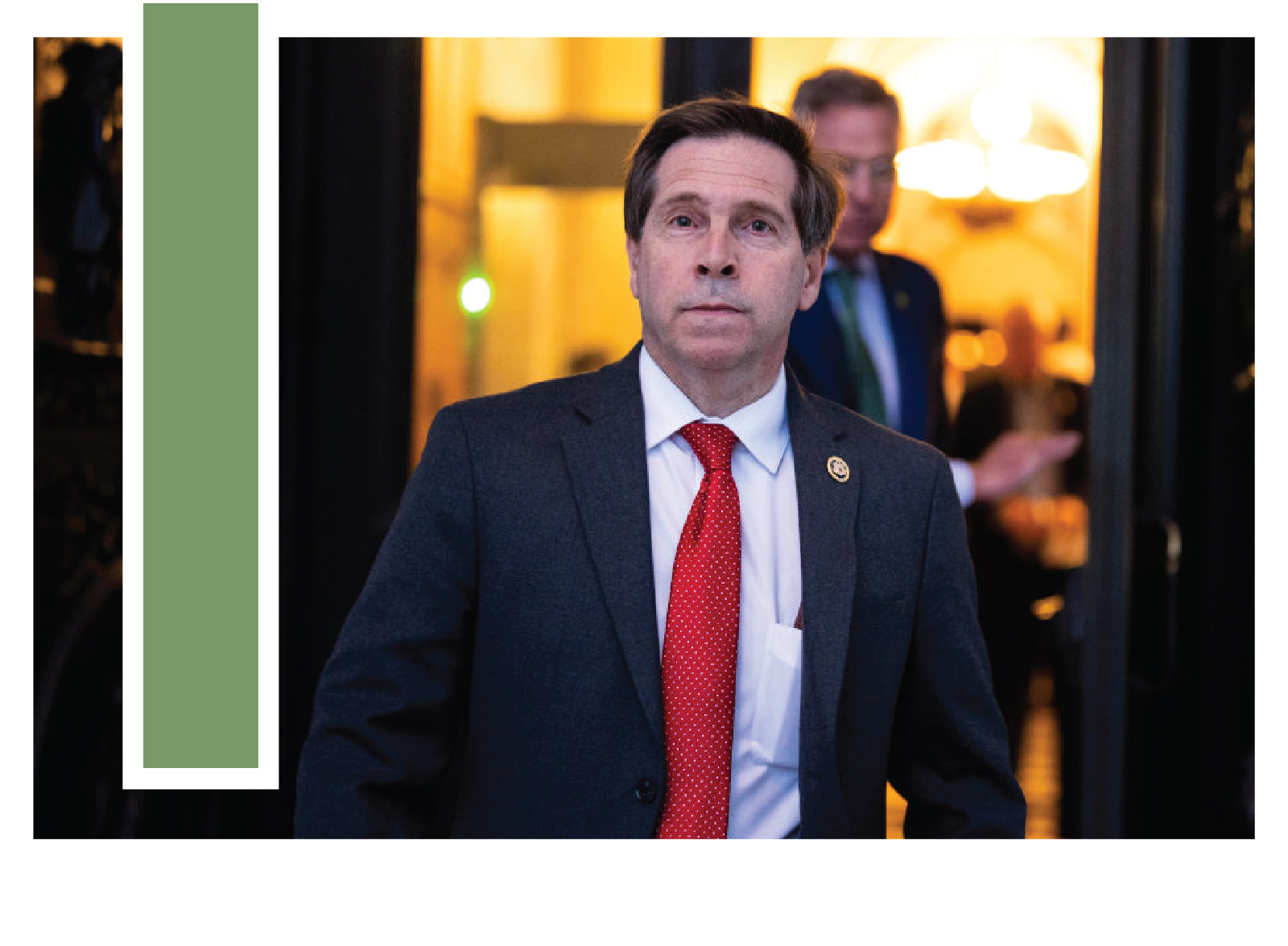
For a legislative perspective on the future of energy, we talked with Rep. Chuck Fleischmann (R-Tenn.), the chair of the House Appropriations Committee’s subpanel on energy and water development. Fleischmann also leads eight energy-related caucuses, including the American Energy Dominance Caucus and the Advanced Nuclear Caucus.
Gas and some of the other things are no longer dirty words. You’re seeing nice things said about coal again.
Rep. Chuck Fleischmann (R-Tenn.)
The issue is local for the lawmaker, whose district in East Tennessee includes the Sequoyah Nuclear Plant.
Republicans hope their unified control of Washington will bring transformative change and reverse some of former President Joe Biden’s green agenda.
Presented by
Energy demands are evolving – and so is our response. Duke Energy is boldly forging into the future, with innovative solutions, smarter grids, and next-gen technology that is ready to meet the demands of today and forge a smarter energy future.
“Gas and some of the other things are no longer dirty words,” Fleischmann said. “You’re seeing nice things said about coal again.”
At a macro level, Fleischmann said the biggest change in energy policy would be diversification and “moving away from a total reliance on renewables to a mix that involves fossil fuels, nuclear and renewables in a way that is going to be more resilient for the grid.”

“You’re going to see a focus on more traditional, reliable, knowable forms of energy,” he said.
Here’s more from our conversation with Fleischmann:
The nuclear industry: Increasing the United States’ energy abundance, especially its nuclear production capabilities, is a matter of national security, Fleischmann has argued. This comes as the nation’s energy needs balloon with the emergence of artificial intelligence and cryptocurrencies.
Nuclear energy initiatives can help meet these growing needs, per Fleischmann. The lawmaker said the reconciliation bill includes funding for some nuclear energy priorities, but he plans to use the Appropriations Committee as a backstop to ensure there is adequate funding for certain projects, such as lithium and uranium processing facilities.
“You’re going to see a genuine push to make nuclear a reality. I got tremendous rhetoric from the last administration on this, but there was just not much follow through. Right now we’re seeing follow-through.”
Fleischmann said Energy Secretary Chris Wright is “working hand in hand with me on energy and energy dominance.”
President Donald Trump signed an executive order in May, urging different arms of the federal government to “rapidly deploy advanced nuclear technologies to support national security objectives.”
The Trump administration is committed to dealing with the so-called back end of the nuclear fuel cycle “in a meaningful way,” Fleischmann said, revamping the nation’s plan for reprocessing and disposing of spent nuclear fuel.
Presented by
Innovation isn’t optional – it’s how you meet the moment. And Duke Energy stands ready. From AI-ready grids to self-healing technology, we are ready to tackle the toughest weather conditions and America’s energy needs. We’re committed to delivering for our customers, no matter what the future holds.


Chances for bipartisanship: There are few true chances for bipartisanship left on Capitol Hill. Renewable energy might be one of them.
“Younger progressives who disagree with me on just about everything are showing up in droves at my nuclear caucuses,” Fleischmann said. The divide is often generational. Younger people, “they realize that it’s clean, it’s safe, it’s resilient.”
Fleischmann chairs the bipartisan American Energy Dominance Caucus with Rep. Marc Veasey (D-Texas) and said he could not “be a better partner.”
There is Republican support for some solar energy initiatives, Fleichmann said, but “not so much wind.” Another area for collaboration: carbon capture.
Energy tax credits: Biden’s Inflation Reduction Act bolstered federal energy tax credits for wind, solar and other clean energy power projects. But many of those were rolled back in the reconciliation process, particularly those that incentivize solar, wind and electrical vehicles.
There is bipartisan support for such tax credits. A group of House Republicans from battleground districts sent a letter to the Senate urging them to go further than the House bill in protecting them. Some credits survived, such as those dealing with biofuels and nuclear production.
Fleischmann is also an advocate for the tax credits and said they are crucial toward spurring future development.
“The country would lose the incentive for people to move forward with nuclear, particularly the private sector, which is a more expensive technology on the front end. So there’s got to be an incentive there to build that first one,” Fleischmann said. “Those tax credits are the magic that makes it all work.”
— Ally Mutnick
Listen on the platform of your choice


Presented by
Duke Energy brings unmatched dependability and bold innovation to power America through this pivotal moment of transformation, when communities need reliable and affordable energy more than ever. From accelerated technological innovation to modernizing our energy infrastructure, we’re committed to delivering for our customers and the communities we serve, today and in the future.