Presented by

Rachel Carlson
Ceo and Co-founder of Guild Education
“I have to optimize for student outcomes and Guild getting paid, and the cool thing is we attach those two. We only get paid when our students progress through their programs.”
Leaders in the public and private sectors have been trying to plan the future of America’s workforce for decades. Retraining frontline workers has been one of the biggest issues in employee preparedness.
Then the Covid-19 pandemic hit. Big new questions arose: Where can workers be found? Will employers still try to incentivize workers to get education and training? What can be done to entice employees to come back?
Enter: The Workforce, Punchbowl News’ effort to identify four leaders who are focused on leading the country back to economic stability and ensuring there is a well-prepared workforce that will allow America to remain competitive. This week we are profiling Guild Education CEO, Rachel Carlson.
THE BACKGROUND
A passion for education runs in Rachel Carlson’s family. Her grandfather, Roy Romer, the former Democratic governor of Colorado, has spent much of his professional life pushing to expand higher education. In 1997, Romer co-founded the online Western Governors University with 18 other governors. For her part, Carlson dropped out of college to join the 2008 Obama campaign in her native Colorado, where she helped organize the Democratic convention and manage surrogates. Carlson experienced her first taste of true human resource management and challenges in 2009 after joining the Obama administration. She worked in White House personnel before returning to Stanford to finish her undergraduate degree. Carlson went on to receive a masters in education and business administration.
While at Stanford, Carlson ran a research project focused on community colleges. “I love the mission of our community colleges. I love the students that attend our community colleges, love the people who work at them, but I have no reverence for the system,” she said. “It turns out we built that system in the ‘50s for young, white men returning from war, predominantly. It doesn’t work for today’s heterogeneous, diverse population of all ages who mostly already have a job and are coming to the college for reskilling or upskilling and are not coming for a coming of age experience.”
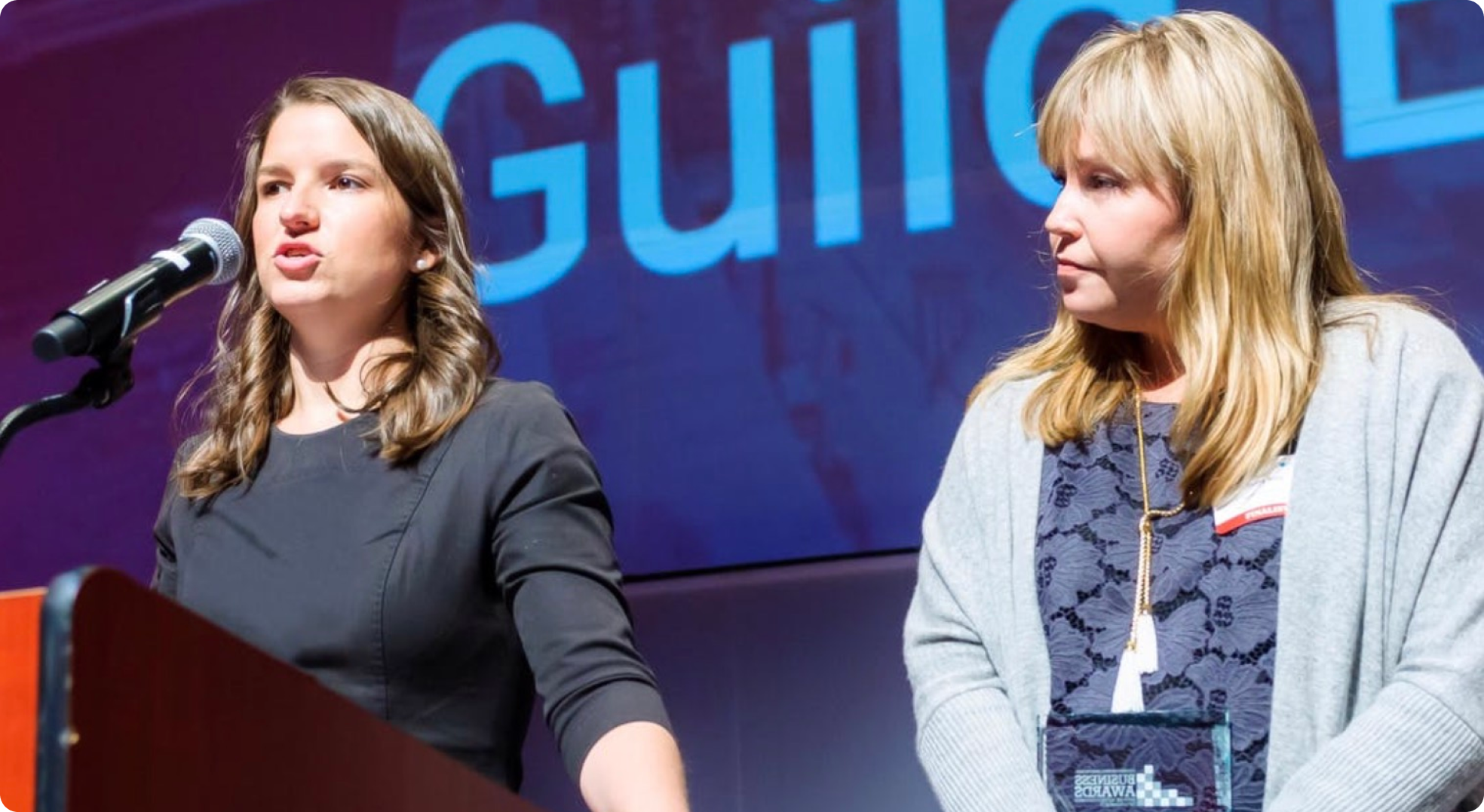

Carlson found only 300 out of 7,500 colleges in the United States were creating high-quality, low-cost outcomes for working adult learners. The real issue Carlson discovered was that these schools were having a hard time growing their student body because it was so expensive to advertise online and attract students. The way companies reimbursed employees was also cumbersome. The vast majority of frontline workers were paying for tuition upfront on credit cards or by taking out payday loans and then had to wait months for their employers to issue reimbursements. “The outcomes were really devastating … We heard of people who missed rent and we heard of someone who had their house foreclosed on while they were waiting [for tuition reimbursement],” she said.
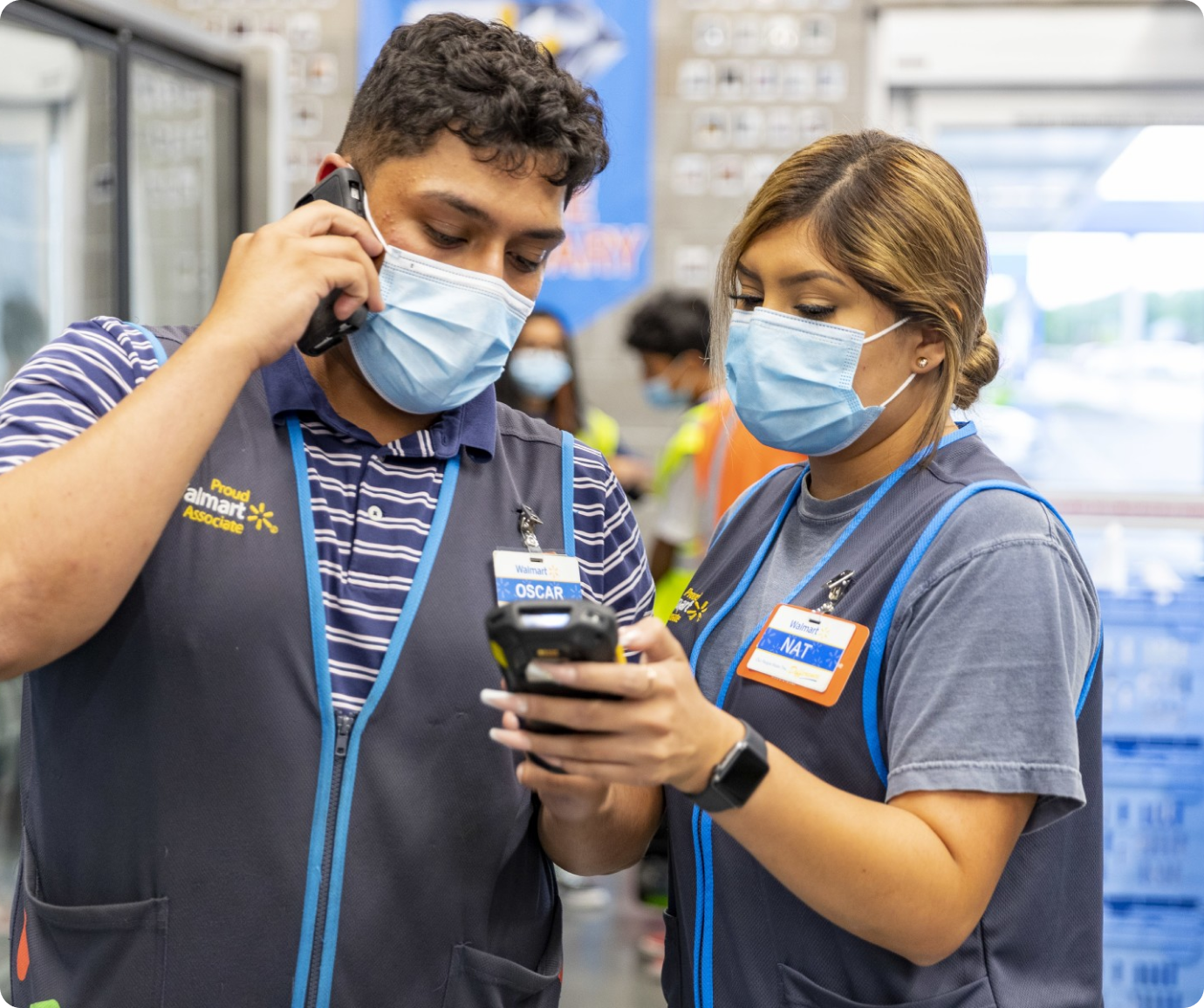
Enter Guild Education. Guild works with companies to create programs that help employees get free college degrees. It also works with employers to help retain their workers. Carlson and her team built a payment system that connects employers with universities to simplify the payment system. They also developed a team of coaches to work directly with employees to help them evaluate their options.
Projected change in jobs by education required, 2020-2030
Source: BLS.Gov
Current
Since launching in 2015, Guild Education has skyrocketed. Carlson’s company is now valued at $3.75 billion, and she is one of the richest self-made women in the country. Forbes estimates her net worth at $500 million. Carlson’s focus on getting companies onboard has also paid off. Chipotle and Target have joined the growing number of companies spending more on education benefits and programs that allow for debt-free degrees. (Walmart, which is sponsoring this project, has also partnered with Guild).
It’s been a learning process. Carlson recalled when Chipotle initially rolled out its tuition reimbursement program for frontline workers before Guild Education worked with them. The first problem was getting employees to use the program. The second was the complicated life choices and the outcomes weren’t always positive.
“We dual track the students' success outcome in terms of what they want, which is often economic mobility, promotion, more stability in their schedule, a salary job. We typically don't hold higher education accountable for these. We track those in addition to retention and completion."
– Rachel Carlson, CEO and Co-Founder of Guild Education
Carlson believes that employers paired with the right schools can help the 88 million Americans who need to go back to school. And part of Guild’s strategy is to have coaches work directly with employees to understand whether or not they truly need to go back to school, or even if they are ready. Guild set up its whole system to optimize for student outcomes. The company only gets paid when its students progress through their programs.
“I’m most passionate about the success outcomes of the employee and how they define it,” Carlson said. Through its partnership with Guild, Chipotle found that employees that go through its program are 7.5 times more likely to be promoted on the job and 7.5 times more likely to be promoted within their company than the employees who don’t.
"We dual track the students' success outcome in terms of what they want, which is often economic mobility, promotion, more stability in their schedule, a salary job,” Carlson said. “We typically don't hold higher education accountable for these. We track those in addition to retention and completion."
PEOPLE TO WATCH
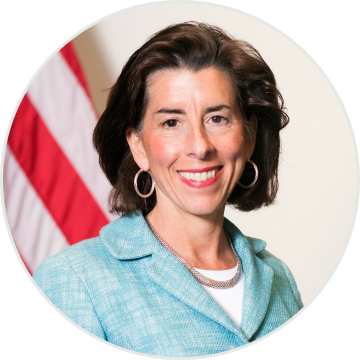
United States Secretary of Commerce
Gina Raimondo
Commerce Secretary Gina Raimondo is focused on breaking down silos on workforce issues in the Biden administration in order to ensure America remains competitive on the global scale. In her previous role as governor of Rhode Island, she worked to revitalize the state’s training programs by working closely with businesses to ensure that the skills being taught in those programs met the workforce needs. Read more about Sec. Gina Raimondo.
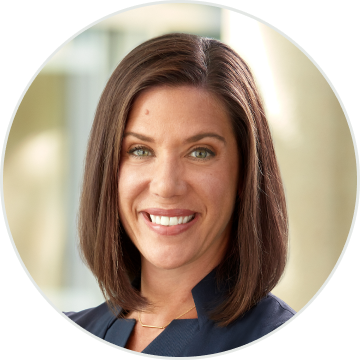
Best Buy CEO
Corie Barry
Corie Barry became CEO of Best Buy in June 2019 after being at the company for a decade. She has overseen the company’s growth strategy, digital and technology, global finance, investor relations, and risk and compliance areas during her tenure. Barry has been instrumental in leading the company through the pandemic and rethinking how it will use its stores, reskill its workforce, and continue to focus on its digital growth.

CEO and President JFF
Maria Flynn
Maria Flynn leads JFF, a nonprofit focused on transforming the American workforce and education systems. She’s a longtime leader in workforce policy and has focused on the role of technology, employment pathways for underserved communities and employer engagement. Flynn launched JFFLabs in 2018 to help bridge the divide between education and the workforce and highlight the growing role technology can play. She also previously worked at the Department of Labor overseeing the development of workforce training programs, among other areas.
FUTURE
Going forward, Carlson believes there needs to be a much closer relationship between education and career. For Guild, that means helping create economic stability for workers, which translates to education infused across the entire lifecycle of an employee’s career. “The ‘four and forty’ is done,” Carlson said, meaning the model of four years of college and forty years of work. “The labor data tells us … that the half-life of a skill is now four and a half years in America and that means we’re all going to need to be reskilling or upskilling about every four to five years,” she said.


And while there’s been a lot of movement in this area by the federal government and the private sector, Carlson believes there is still more that can be done. Carlson said she would like to see the United States stop taxing workers when they receive education programs from their employers. And vice versa, Carlson said that the private sector needs to start funding more education for workers as though it is a right, not a privilege. “Learning is the only future-proof skill", Carlson noted when it comes to America’s competitiveness going forward.
Median annual earnings by educational attainment, 2020
Source: BLS.Gov
110160
Doctoral degree
76800
Master's degree
78020
Bachelor's degree
55870
Associate's degree
39070
High school diploma
Presented By