Today marks the start of a massively important week for the midterms.
Texas. Texas’ candidate filing period closes Monday at 6 p.m. CT. There is still a ton of uncertainty, mostly around Democratic fields, so let’s start there.
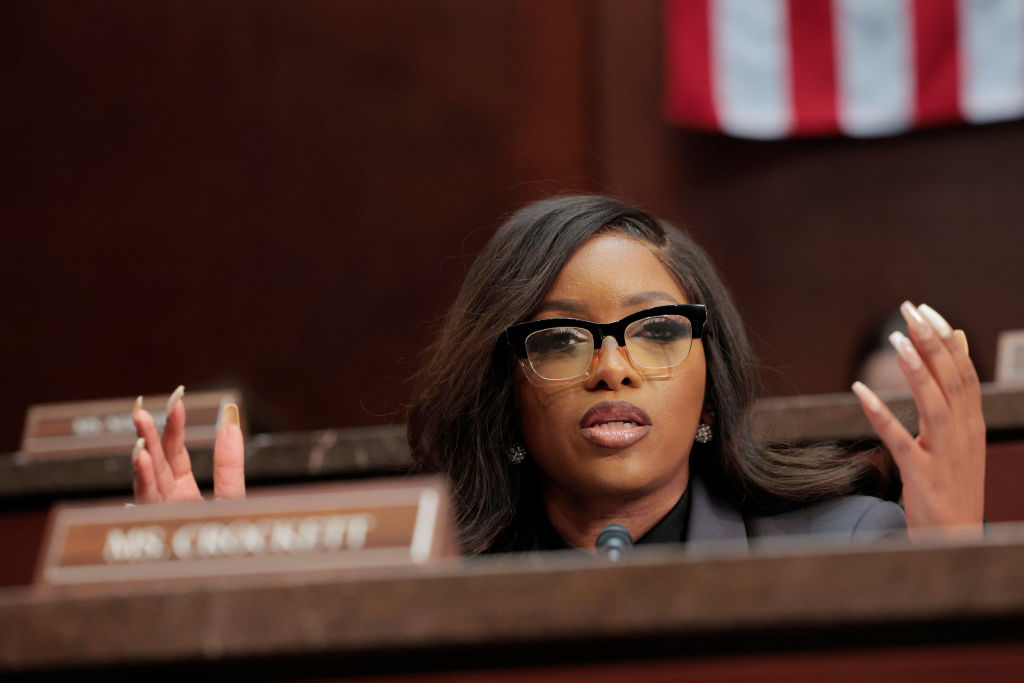
Rep. Jasmine Crockett (D-Texas) has said she’ll announce today whether she is running for House or Senate. Many Democrats expect her to run for Senate, a move that almost guarantees the primary will extend to a May runoff. Former Democratic Rep. Colin Allred (Texas) and state Rep. James Talarico are already running.
But if Crockett doesn’t blow up the Senate race, she will upend the Dallas-area congressional primaries. If Crockett runs statewide, Rep. Marc Veasey (D-Texas) plans to file for the new version of Crockett’s district. And Rep. Julie Johnson (D-Texas) is set to file for the new version of Veasey’s seat. Johnson was drawn out of her seat in the recent redistricting.
If Crockett files for reelection to the House, expect a high-stakes game of musical chairs among Democrats.
Meanwhile, Republicans are no closer to solving a primary fiasco of their own. GOP leaders and their allies spent months trying first to boost incumbent Sen. John Cornyn over Texas Attorney General Ken Paxton, and then to avoid a three-way primary with Rep. Wesley Hunt (R-Texas).
Nothing is final until this evening but it seems likely that Republicans failed to convince Hunt not to run for the Senate.
Indiana. State Senate Republicans will convene Monday to consider the state House’s redistricting proposal. Indiana State Senate President Pro Tempore Rod Bray will have to decide whether to put it on the floor for a vote, which would likely come later in the week.
This is a rapidly changing situation, but there is a sense of optimism among some GOP operatives that the state Senate could fold and accept the map.
SCOTUS. The Supreme Court will hear oral arguments Tuesday on NRSC v. FEC, a campaign-finance case that could weaken coordination limits between party committees and campaigns.
This case is extremely wonky but a big deal. It could save both parties millions of dollars in TV advertising costs and basically let groups – like the NRSC and DCCC – coordinate freely with their candidates’ campaigns.
Missouri. The liberal group gathering signatures to freeze Missouri’s new congressional map must submit its petitions by Thursday. They need to present more than 100,000 signatures from registered voters among six of the eight congressional districts.
The campaign plans to submit far more, knowing many will be deemed invalid. If successful, the group could save Rep. Emanuel Cleaver (D-Mo.) in 2026.