

News: Transcribed interviews of top State Department officials reveal how the rapid fall of Afghanistan in the summer of 2021 took the Biden administration by surprise as they strived to maintain a diplomatic presence in Kabul.
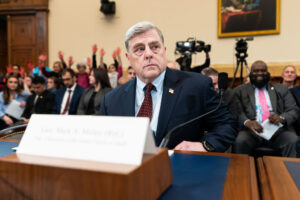
The House Foreign Affairs Committee on Wednesday released interviews with then-spokesperson Ned Price, then-acting Undersecretary for Management Carol Perez and Chief of Staff Suzy George.
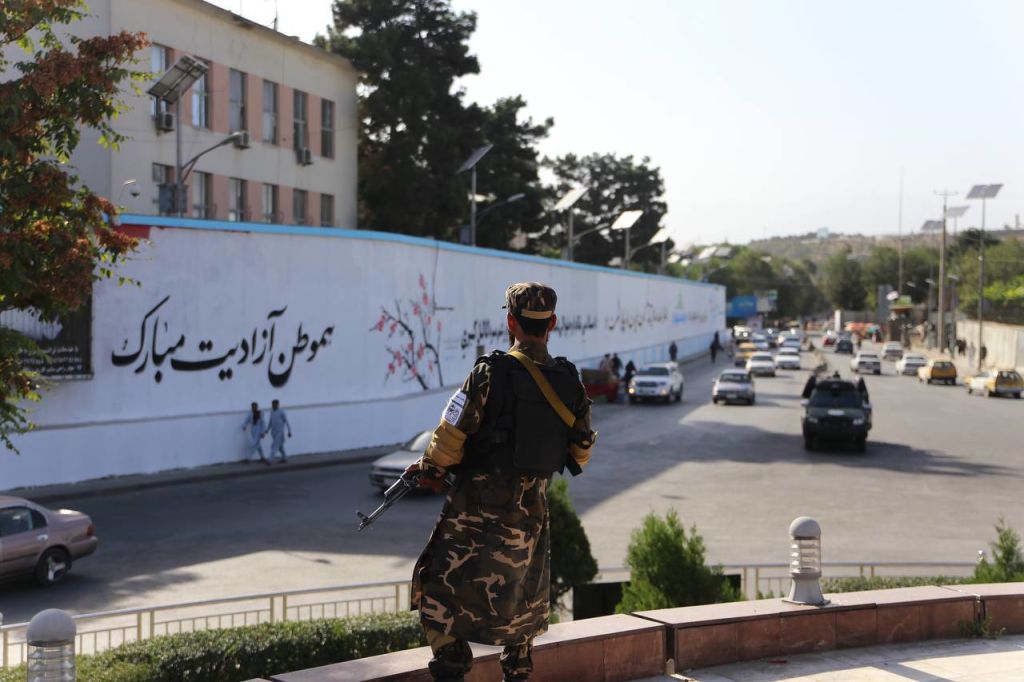
The State officials’ testimony reveals how fast-moving the situation in Afghanistan was as the United States prepared to withdraw its combat units in adherence with the Doha Agreement negotiated under former President Donald Trump. State leadership wanted to keep the U.S. embassy in Kabul open right up until Afghan President Ashraf Ghani fled the country on Aug. 15, 2021.
The transcript release is the latest step in House Foreign Affairs Committee Chair Michael McCaul’s (R-Texas) investigation into the disastrous U.S. withdrawal. As other House GOP oversight efforts flounder, McCaul’s probe into Secretary of State Antony Blinken is seen as a more serious pursuit.
Here are our takeaways:
Carol Perez: Perez’s role was to protect American civilians in the diplomatic corps present in Afghanistan.
Perez told investigators that as the situation was “relatively” quiet in Kabul in spring 2021, she thought embassy work could continue in the capital. Here’s a relevant portion of Perez’s interview that shows how top State officials were surprised by the security situation in Afghanistan:
As Perez noted, the Kabul embassy was a hardened facility with measures in place to deter attacks. Although the top priority of the State Department was to maintain a presence in Afghanistan to advance U.S. interests, there was contingency planning in the event of an evacuation.
Ned Price: During the withdrawal, Price was the top spokesperson for the department and now serves as the deputy to the U.S. representative to the United Nations.
A sign of how fluid the situation was — Price said that he recalled State wanted to keep a diplomatic presence in Kabul as late as Aug. 14, 2021. That same day, President Joe Biden initiated the evacuation of U.S. civilians from Afghanistan.
Price criticized the Doha Agreement as an “erratic policy” that left the United States with “no good options.” Price said that the Biden administration realized the Taliban’s adherence to the agreement was “uneven,” but justified the withdrawal decision to avoid a resumption of attacks on U.S. troops.
Price also defended the interagency review of the withdrawal as robust.
Suzy George: George was Blinken’s chief of staff during the Afghanistan withdrawal. But George — whose job duties don’t involve policy or Afghanistan planning — repeatedly told investigators that she couldn’t recall key details about the situation in 2021.
George also testified that there was concern among State colleagues that the Trump administration didn’t plan enough for the Afghanistan withdrawal.
The administration’s view: State Department spokesperson Matthew Miller told us in a statement that it was the correct decision to end the Afghan war. Miller also praised the State officials who have been interviewed for working to evacuate U.S. citizens and Afghan allies in “a massive and extremely challenging military, diplomatic, and humanitarian undertaking conducted under extraordinary circumstances.”