

Vulnerable Republicans have a big political problem on their hands.
The bipartisan Senate negotiations to revive enhanced Obamacare subsidies are all but dead, leaving health care costs skyrocketing for millions of Americans. At-risk GOP lawmakers must now wage a new fight, figuring out if — and how — they can force their party to take up legislation to help Americans dealing with rising costs before the midterm elections.
“It’s necessary to do everything on affordability across the board,” Rep. Brian Fitzpatrick (R-Pa.) told us. “Health care is the most significant piece of it. There’s also housing, there’s food, there’s fuel, there’s childcare, there’s elder care, there’s transportation. It’s all unaffordable right now.”
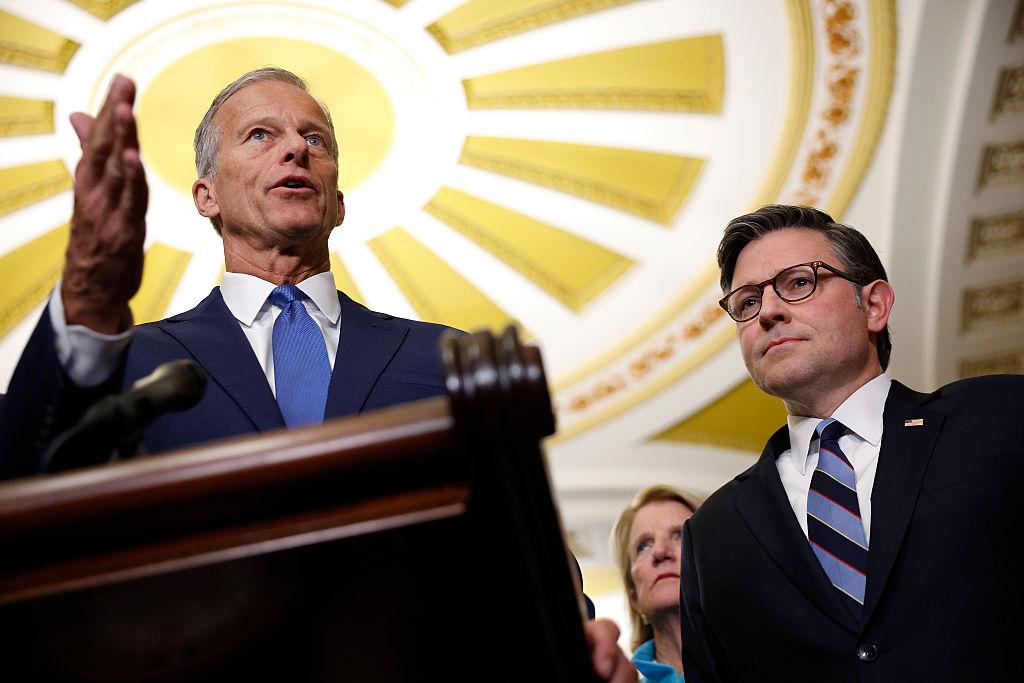
Yet Republicans face numerous hurdles in doing this. Speaker Mike Johnson has a razor-thin margin and faces near-constant revolts from his right flank. The speaker wanted to spend the early part of 2026 on health care, but intervening events have diverted his focus.
The Senate is now consumed with a funding standoff over ICE, and there are a host of other issues that Senate Majority Leader John Thune wants to take up — housing, a farm bill, a highway bill, crypto and more.
There’s deep skepticism among Republicans about getting another reconciliation bill done this year, which makes it much harder to see any health care bills passing. Bipartisan efforts on housing and permitting bills — both top priorities for vulnerable House Republicans — are facing problems.
The appetite for bipartisan dealmaking will shrink even more as the midterms grow closer. Yet as President Donald Trump’s poll numbers tank and the economy wobbles, at-risk Republicans have no choice but to try whatever they can to push legislative fixes.
“The centrists — we’re fighters,” Fitzpatrick said. “We don’t back down. We’re not afraid to go against the grain, go against leadership. So that’s what we’re going to do this year.”
Democrats think these GOP members and senators had their chance and missed it.
“[Republican leaders] have left their members out to dry,” House Minority Whip Katherine Clark said. “The Republicans have shown they simply don’t care.”
Obamacare fallout. Republicans are clear-eyed that the fallout from the Obamacare cliff, which saw boosted credits expire on Jan. 1, will be a key midterm issue, maybe even the most important one.
“If it doesn’t come together, then both sides will probably decide how they’re going to use it politically,” Thune said of Obamacare talks. “But I’ve always felt like, at least at the leadership level, that’s the Democrats’ ultimate objective.”
In another sign of how potent the issue is, some vulnerable Republicans are vowing to keep up their efforts despite the slim chances of success.
“It’s unfortunate that it was set up to expire in 2025, but this is an issue that I’ll keep fighting for and working on because it’s important,” said Ohio Republican Sen. Jon Husted, who’s up for reelection in November.
Democrats believe they have the upper hand politically. The Senate’s most vulnerable incumbent Democrat, Sen. Jon Ossoff (Ga.), is making the Obamacare fight a centerpiece of his campaign.
Ossoff told us the expiration is “a disaster for my constituents” and that he’s hearing a lot on the topic from Georgians across the state.
The message back home. Republicans in some of the country’s tightest reelection races told us that when they speak to constituents about health care, they make the point that Obamacare is a broken system that led to higher costs for them.
Yet this is a complicated message for Republicans when voters face huge premium price hikes or lose coverage.
“My well-informed constituents understand there are tremendous flaws in the [Obamacare] program,” Rep. Nick LaLota (R-N.Y.) said. “Even those who rely on it and celebrate it know that insurance companies have made record profits, denied a lot of their claims during this time. They want solutions from Washington. They know I’m fighting for solutions.”
Another New York Republican, Rep. Mike Lawler, said he talks through ways to improve the system and touts wins at the Trump administration level and in Congress, such as the House-passed GOP health care package. However, that bill has no path in the Senate.
“I tell them the truth,” Lawler said of conversations back home. “But part of this also is a recognition that Obamacare itself has not actually reduced health care costs in America, so it’s not just a function of extending the enhanced premium tax credits. It’s a function of actually fixing the system.”
Problems on top of problems. The gravity of this moment isn’t lost on endangered GOP incumbents, especially in the House. The Republicans’ biggest legislative achievement this Congress — the OBBB — remains unpopular. The job market is the worst in years, inflation is stubbornly high, Trump’s foreign policy moves have confused even GOP lawmakers at times, and the public’s support for the president’s hardline immigration policies — a huge GOP plus in 2024 — is cratering.
There’s lots of warning signs for Republicans: the Democratic wins in last November’s elections, the growing number of House GOP retirements, and last week’s Texas Senate stunner. They have boatloads of cash, and the redistricting battles are still playing out, so this isn’t a rerun of 2018 yet. But Democrats — and a number of Republicans — believe they’re going to win the House in nine months.