


News: A controversial renovation project for the Hart Senate Office Building is being delayed after senators complained that they’d be forced out of their offices for an extended period of time, according to multiple sources familiar with the matter.
Construction work was due to begin next month on the exterior of the Hart Building as part of a longer-term effort aimed at strengthening the building’s security. Phase I of the project has now been delayed until late 2026, the sources said.
Senate leaders, the Rules Committee and the Architect of the Capitol all have jurisdiction over the project. Senate offices started getting notified about potential displacement in November.
Since then, senators and senior aides have complained privately to party leaders and the Rules Committee that the construction would disrupt their daily business, and that attempts to mitigate the impact were insufficient.
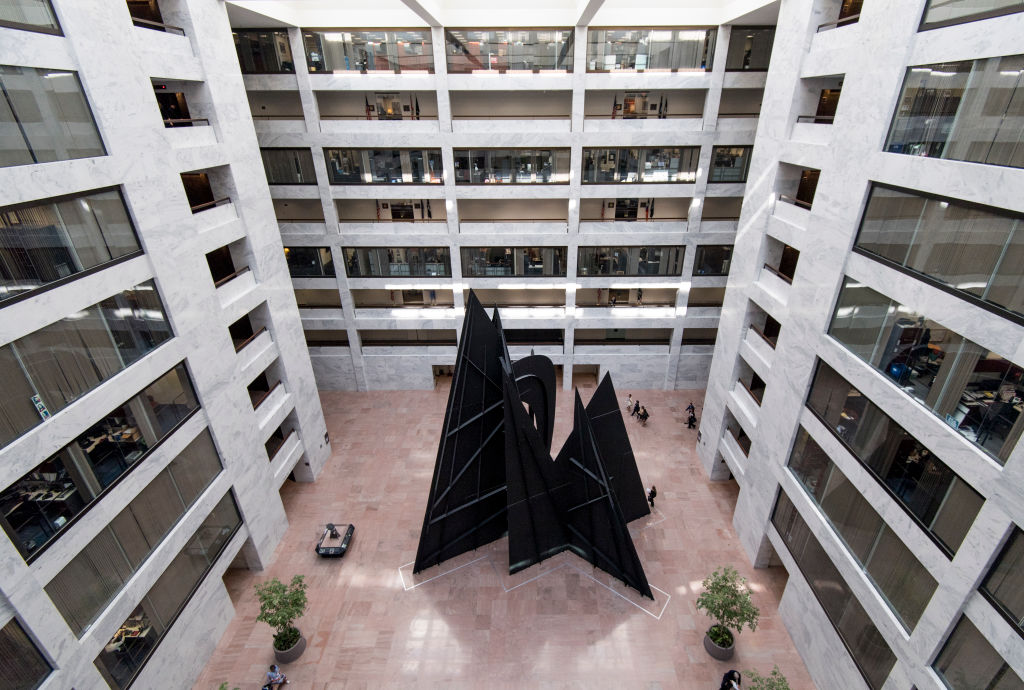
Nearly all office suites in the Hart Building are on the outer perimeter, with an atrium in the middle. The upgrades are intended to “harden” the outer perimeter of the building.
Depending on which side of the building a Senate office is located, anywhere from three to 30 workspaces would be directly impacted by the renovation project, forcing senators to house much of their staff in temporary spaces far from Hart. Senators whose offices are at the corners of the building will see the highest displacement impact.
Making matters worse, the renovations weren’t disclosed as part of the annual suite selection process, during which senators can move to a more desirable office location. In other words, a senator who may have wanted to choose a more favorable office wouldn’t have been informed that space would be impacted as part of the renovation.
Last month, Sens. Markwayne Mullin (R-Okla.) and Martin Heinrich (D-N.M.), who lead the Legislative Branch subcommittee of the Appropriations panel, circulated a letter to Senate leaders and the Rules Committee expressing several concerns about the construction project.
But the letter was never sent, in part because Senate leaders made the decision to delay Phase I of the project until late 2026, when retiring senators — as well as those who lose their reelection bids — will begin to vacate their offices. This will reduce the overall impact.
The letter, dated Dec. 18, requests that the project be delayed until adjacent roads are closed to traffic and usable office space for affected senators is identified. Mullin and Heinrich said the project is “being pursued without adequate preparation to address their very real impacts on the functioning of the United States Senate.”
The Hart project has long been in the works, dating back to the post-9/11 period. Senators were told that the displacement would last for 12-15 months, depending on their exact location within Hart.
There have been a number of classified briefings about the revamp, attended by senators as well as senior aides.