A top Senate Democrat says a long-stalled Russia sanctions effort is no longer the most “effective” tool to push Moscow to end its assault on Ukraine, calling on lawmakers to instead pass legislation cracking down on Russia’s so-called “shadow fleet.”
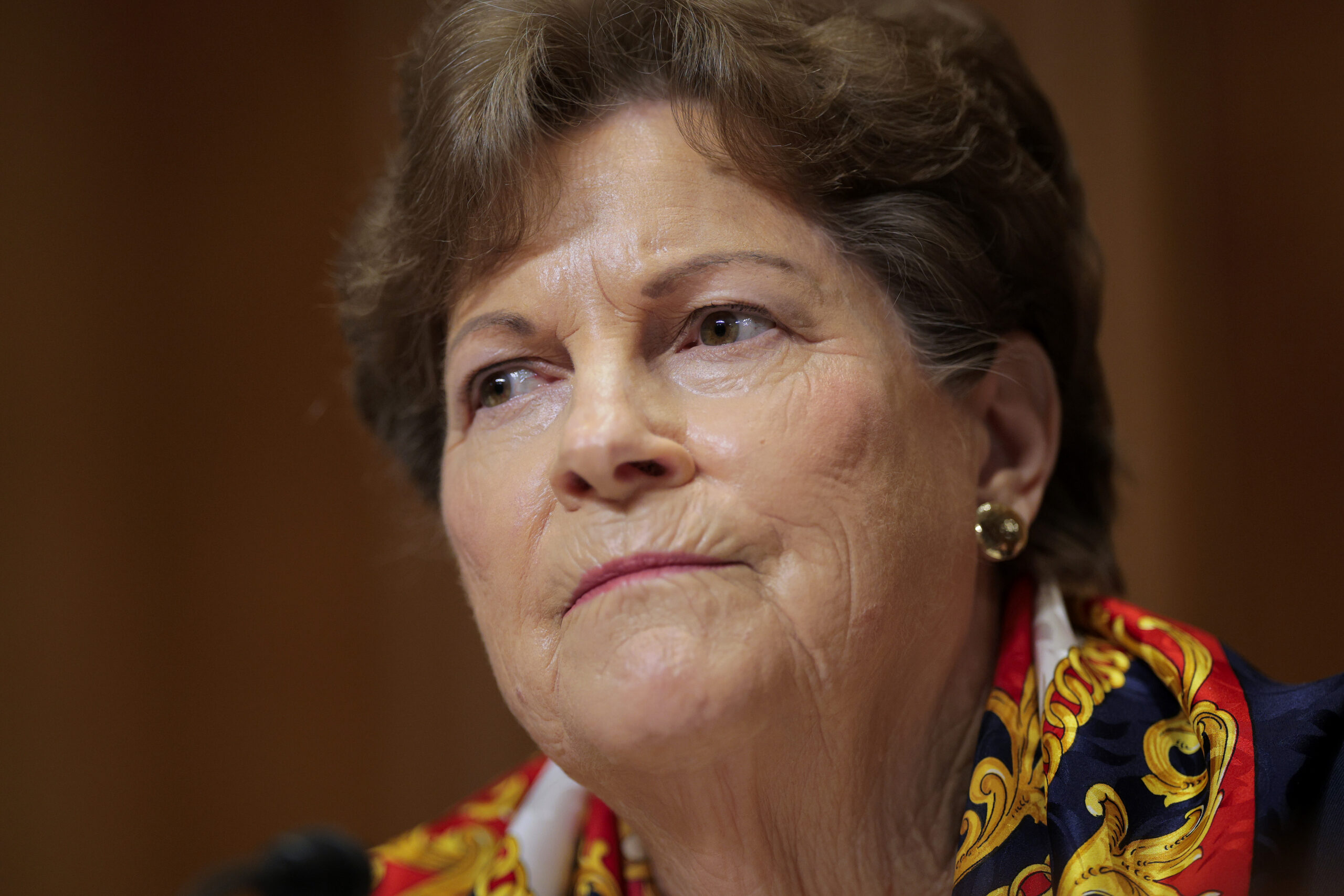
The shift from Sen. Jeanne Shaheen (N.H.), the top Democrat on the Foreign Relations Committee, represents a break of sorts with top Ukrainian officials. This comes as lawmakers have struggled to reach an agreement to pass a sanctions bill that once had 85 co-sponsors but has since been overhauled to the White House’s liking.
“I actually think there are more effective ways at this point to impact Russia’s economy,” Shaheen told us Tuesday, pitching her SHADOW Fleet Sanctions Act, which cleared the committee by a 20-2 vote.
The bill expands the Trump administration’s authority to seize Russian oil tankers that are evading U.S. sanctions. The Pentagon has already taken action against some of those vessels.
“Where is Russia getting most of its revenue? It’s from oil and gas,” Shaheen added. “We think that’s a more effective mechanism than what’s being proposed in the new version of [the sanctions bill].”
The updated sanctions legislation can’t pass in the Senate without support from Democrats, who oppose the expanded tariff authorities that were added to it.
But Ukraine’s ambassador to the United States, Olga Stefanishyna, told us Tuesday that “there are literally no conditions under which the law cannot be passed,” accusing Russia of committing “genocide.”
“What are we waiting for, what else should happen so that the Senate and Congress would think that this bill should be passed?” Stefanishyna added. “So it should either be passed now or we will just have to recognize that there is no will to do it.”
What’s next? Shaheen and Stefanishyna share the same goal of maximizing financial pressure on Russia to push Moscow to end its assault on Ukraine.
But the tactical divide comes as the war has now crossed the four-year mark and Russian President Vladimir Putin shows no interest in a peace deal.
Senate Majority Leader John Thune has said he’d hold a vote on the sanctions bill once it has 60 votes. Yet Shaheen’s comments show that winning enough Democratic support will be difficult.
Thune said he hasn’t closely reviewed the “shadow fleet” legislation yet, adding: “I just want to make sure that whatever we put on the floor, we have the votes to pass.”
The House. Rep. Brian Fitzpatrick (R-Pa.) introduced a new version of the Russia sanctions bill that lacks the tariff provisions Democrats oppose. Fitzpatrick is in talks with GOP leadership and the White House as he seeks a floor vote.