


It’s going to be another big week for the U.S. economy as investors and policymakers await two key bits of jobs data. Markets are already a little wobbly.
The first report, set to be published today at 10 a.m., is the Job Openings and Labor Turnover survey published by the Bureau of Labor Statistics.
The second, coming Friday morning at 8:30 a.m., is the bigger deal — the BLS’ monthly “employment situation” report, featuring the latest unemployment data.
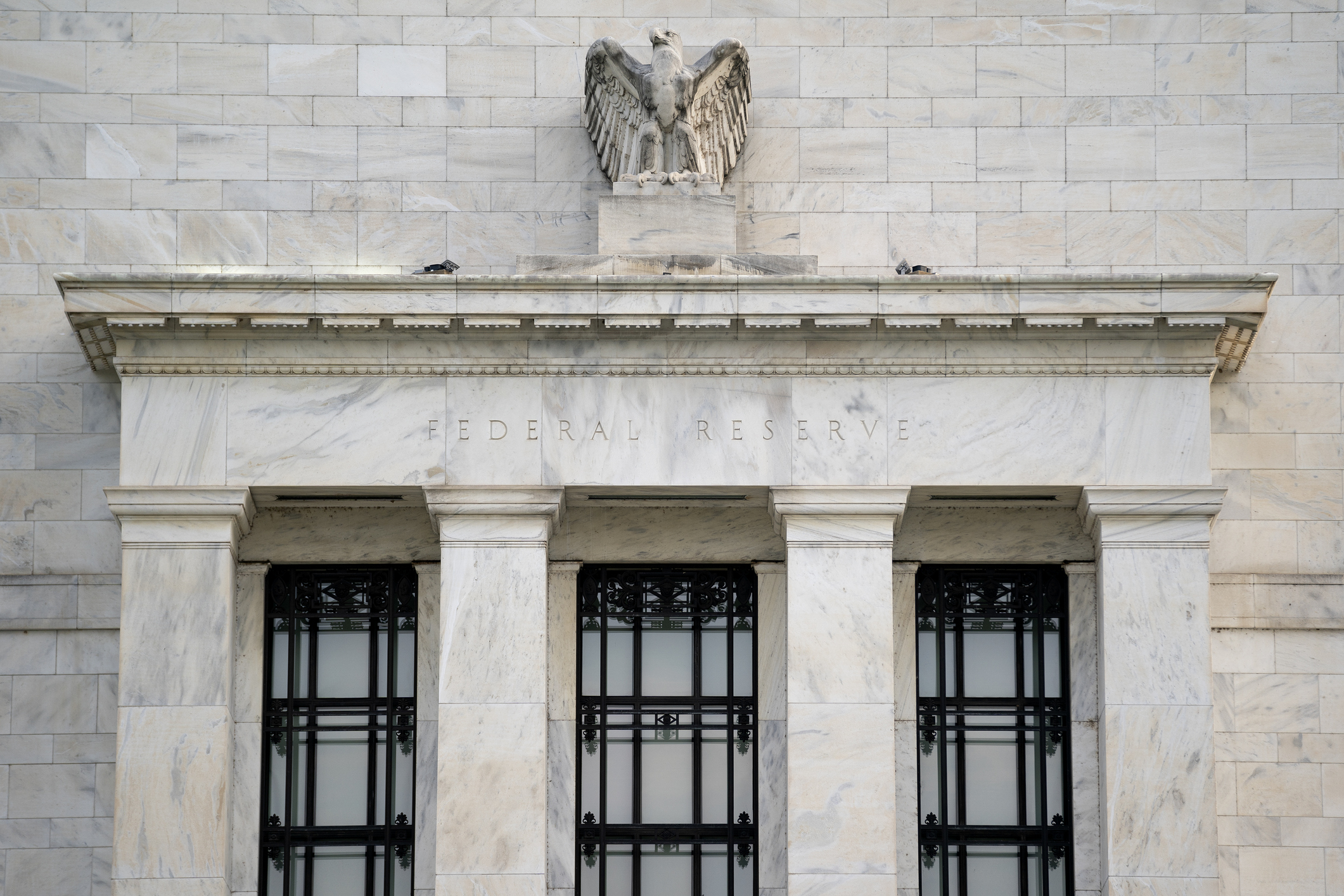
These twin releases will give the Federal Reserve, along with Wall Street and the rest of the world, its best and final snapshot of the U.S. labor market before policymakers are expected to start cutting interest rates.
The federal funds rate has been stuck at 5.25% and 5.5% since July 2023, but Chair Jay Powell signaled it was time for cuts late last month. The Federal Open Market Committee meets starting Sept. 17.
Right now, the projections are optimistic. Economists surveyed by the Wall Street Journal expect job openings to hover around 8.1 million for the month of July, only a smidge lower the 8.2 million recorded in June — which was itself unchanged from May.
In the broader employment report, economists expect the jobless rate to tick down — from 4.3% to 4.2% — after adding about 161,000 jobs in August.
The stakes: With the timing of rate cuts seemingly set, the question for traders and lawmakers alike will be the size of those cuts.
A shakier labor market will raise concerns about a looming recession, which could prompt the Fed to cut faster and jumpstart some economic growth. Remember, though, that monetary policy moves take time to seep into the economy.
The baseline for Fed cuts in recent years has been around 25 basis points. A large cut would come in around 50 basis points, while a “jumbo” cut could be as high as 75 basis points — which is what lawmakers like Sen. Elizabeth Warren (D-Mass.) are calling for.
Enjoying our coverage? Don’t miss daily breaking financial services and tax news, expert analysis, weekly newsletters, reporter briefings and much more. Become a Premium Policy member today!