


October 4, 2025



THE TOP
Shutdown hits home for lawmakers
Welcome to The Readback, our weekend digest featuring the best of Punchbowl News this week – a quick roundup of all our scoops, analysis and Capitol Hill insight you won’t find anywhere else. We’ve also included a few of our favorite outside reads from the week.
Reality check: Shutdowns hit home for most, if not all, lawmakers. Federal workers and the military are working without pay and many more may be laid off.
While lawmakers are huddling to try to find a deal and open the government, they’re also lamenting how the shutdown is affecting their respective home states.
It raises the stakes when lawmakers are feeling the pressure back home. If the shutdown drags on longer, it’s only going to get worse for them.
Let’s dive into some examples of what lawmakers have said is weighing on them as the shutdown settled in this week.
Parks: Senate Appropriations Committee Chair Susan Collins (R-Maine) discussed her conversations with the superintendent of Acadia National Park, the crown jewel of Maine, with reporters. Collins said the park may have to close, despite the National Parks Service keeping amenities partially open for now.
The park is at the peak of its visitors’ season because of the fall foliage, and it won’t have the necessary staff to handle all the visitors, Collins said.
Acadia has remained open for the moment.
Federal workers: Members who represent districts heavy with federal workers and military bases will be under some of the most heat from their constituents to take action, especially if OMB Director Russ Vought pursues mass layoffs of federal employees.
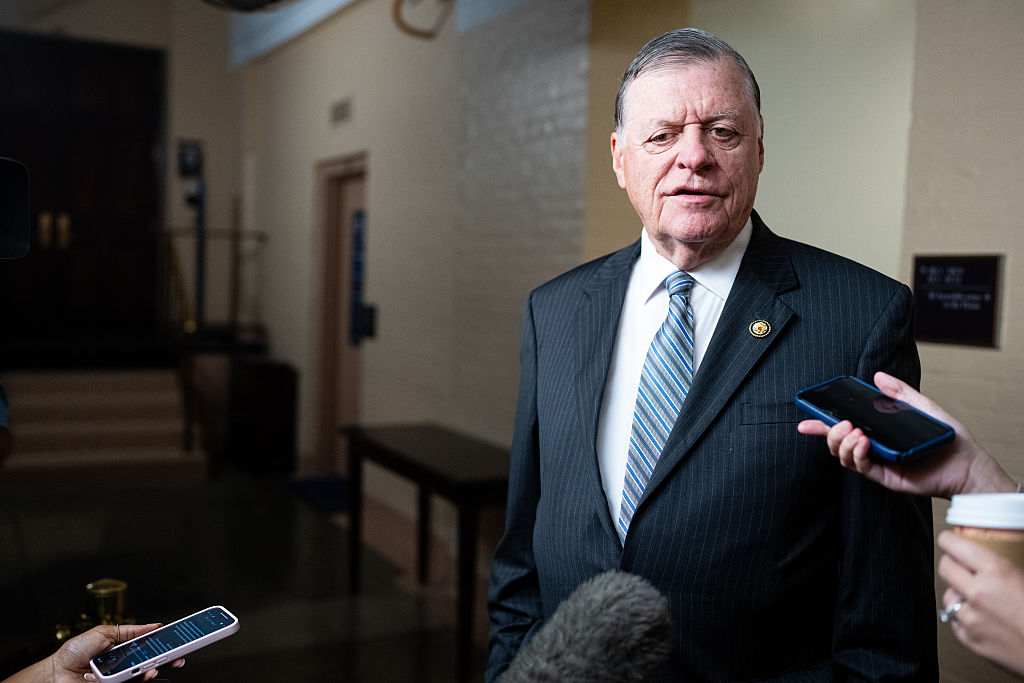
House Appropriations Committee Chair Tom Cole (R-Okla.) said he’s been thinking through the consequences of the shutdown a lot, not only because of his job as head of the House Appropriations Committee but also because of the concentration of federal workers in his district.
Cole’s district has thousands of federal employees at both Tinker Air Force Base and Fort Sill. The National Weather Service, which is continuing to provide life-saving essential work, has an office in Cole’s district. Many feeds and public-facing services were shuttered.
Here’s what Cole had to say about how he views the impact of a shutdown:
In the DMV: Maryland and Virginia senators have all been outspoken about how the shutdown is hitting their federal worker-heavy districts.
Democrats have been emphasizing, though, that the Trump administration has been firing and shrinking large numbers of the federal workforce before the government shut down.
Virginia Democratic Sens. Mark Warner and Tim Kaine have said the Trump administration needs to stop threatening federal workers and instead negotiate a funding bill.
We’ll see how long the shutdown lasts. As it goes on, lawmakers are going to be hearing more and more calls from home.
What I’m watching: My Los Angeles Dodgers take on the Phillies this weekend. There’s a lot of Philly representation at Punchbowl News, and I’m sure I won’t hear the end of it from my colleagues Andrew Desiderio and Laura Weiss if the Phillies win out.
– Samantha Handler
Join us on Oct. 20 at 9 a.m. ET for a conversation with Rep. Rudy Yakym (R-Ind.) in South Bend, Ind. Punchbowl News Founder and CEO Anna Palmer will sit down with Yakym to discuss the news of the day and how private capital is investing in America. Save your spot with a RSVP now!

How to cover the Pentagon when your credential is in limbo
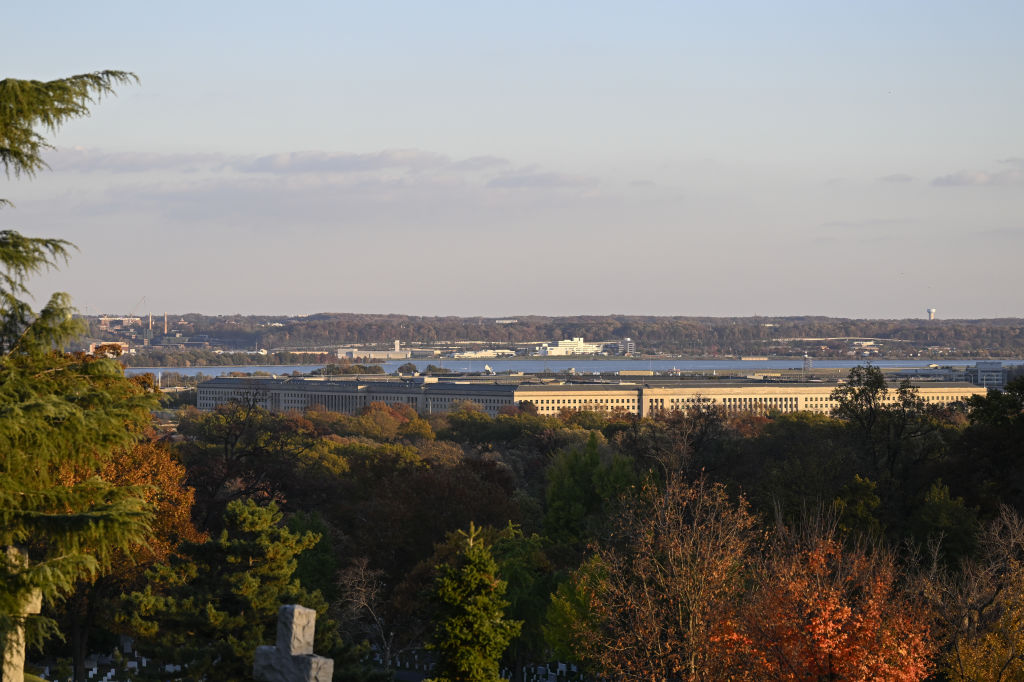
Reporting from the Pentagon looks a lot different now than it ever did before.
Even before the Defense Department rolled out its latest media restrictions in recent weeks, military leaders had placed limitations on where journalists could go in the Pentagon without an escort.
Before that happened, reporters could roam the halls freely. But now, we’re only allowed to walk from the entrance of the building to the press room and the cafeteria — and that’s about it.
In practice, that means reporters are led through the halls tour-group style for any other scheduled meetings. For a roundtable with Army Secretary Dan Driscoll last month, public affairs officers were sent to the media room to collect everyone who had RSVP’d and bring us to a conference room one floor up.
The previous lack of restrictions allowed me, four years ago as a trade publication reporter covering the Air Force, to visit the military service’s press shop. (I’ll note here the Air Force media office is located across the hall from a mysterious door labeled “The Black Hole.”)
Now, the access rules prevent me from going there or swinging by the Army and Navy press offices alone. All of those are located in different parts of the Pentagon.
But DoD is looking at taking that a step further. The department’s new media guidance would require journalists to sign a pledge to retain building access. Under the language, media would have to agree not to report information that wasn’t officially authorized for release. The expectation among the Pentagon press corps is that most journalists won’t sign it.
There’s some cause for optimism, though. DoD notified reporters Tuesday night that officials are clarifying “some items” tied to that memo. That buys journalists with existing credentials more time to figure out next steps — and review the latest iteration of whatever comes down.
What I’m listening to: I had been in a Hozier funk since I saw him perform two weeks ago (at Jiffy Lube Live in the pouring rain — from the lawn). But I made a hard pivot to Taylor Swift late Thursday night.
– Briana Reilly

From House to White House
I spend most of my days at the Capitol, but I do occasionally swing by that other iconic government building — you know, the one about 16 blocks down Pennsylvania Ave.
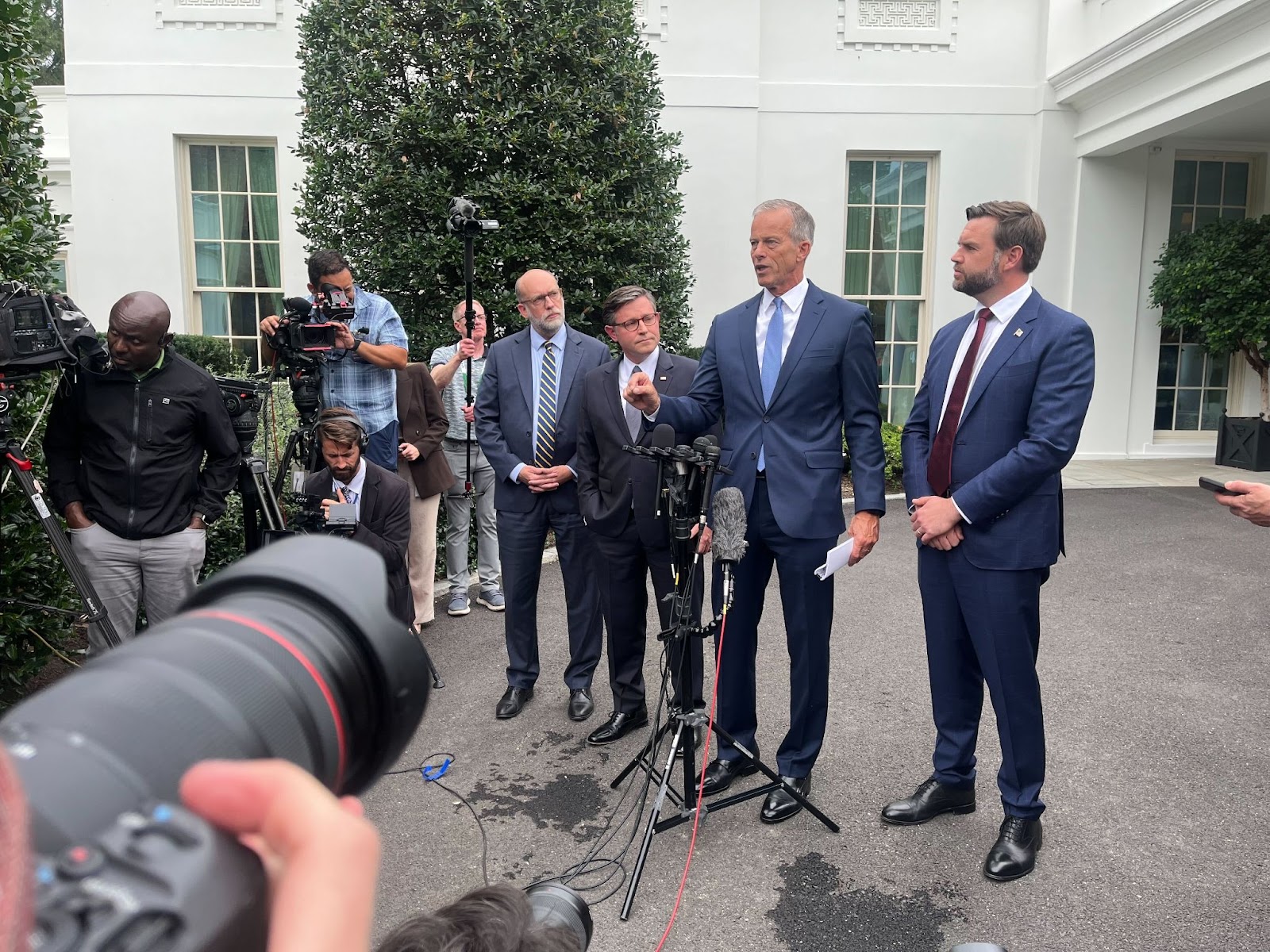
So, on Monday, I found myself at the White House, waiting for the Democratic and Republican leaders from both the House and the Senate. They were meeting with President Donald Trump on the impending government shutdown, and I was there to capture whatever they’d say after the discussion.
At the Capitol, I can wander widely in search of hundreds of lawmakers, many of whom are eager to talk. At the White House, reporters have to stay in a confined area and hope Trump or a few designated spokespeople want to address the cameras (which, in all fairness, the president often does).
Still, the beauty and historic charm are undeniable. And there are opportunities for drama.
When I arrived at the White House, the press area was thick with international media for Israeli Prime Minister Benjamin Netanyahu’s visit and Trump’s announcement of a proposal for peace in the Gaza war.
Then, after Netanyahu left (and much of the world press with him), the remaining reporters gathered to hear House Minority Leader Hakeem Jeffries, Senate Minority Leader Chuck Schumer, Speaker Mike Johnson and Senate Majority Leader John Thune joust.
First, the Democratic leaders and then the Republicans took to the microphones to blame each other for the forthcoming shutdown and insist they had the political high ground.
Then, after the lawmakers had left without taking questions, we heard raised voices from within the crowd of reporters.
It sounded like a TV camera operator was mad at a print reporter for being in the way of his shot during the Hill leaders’ remarks.
I’m not big on reporting on the process of journalism, and I didn’t know the people, and I couldn’t hear much of what was being shouted. Since it happened in front of dozens of reporters, though, I will say the bickering went on for a while.
It stopped as suddenly as it had started when two Secret Service agents rushed through the crowd. We never found why, though it seemed to be unrelated, and ultimately harmless.
It was a level of intrigue that made the trip worth it and that almost matched a standard day on the Hill.
What I’m watching: I’m planning to see what all the fuss is about on “The Pitt” this weekend.
– Ben Brody

Witnessing my first (adult) government shutdown
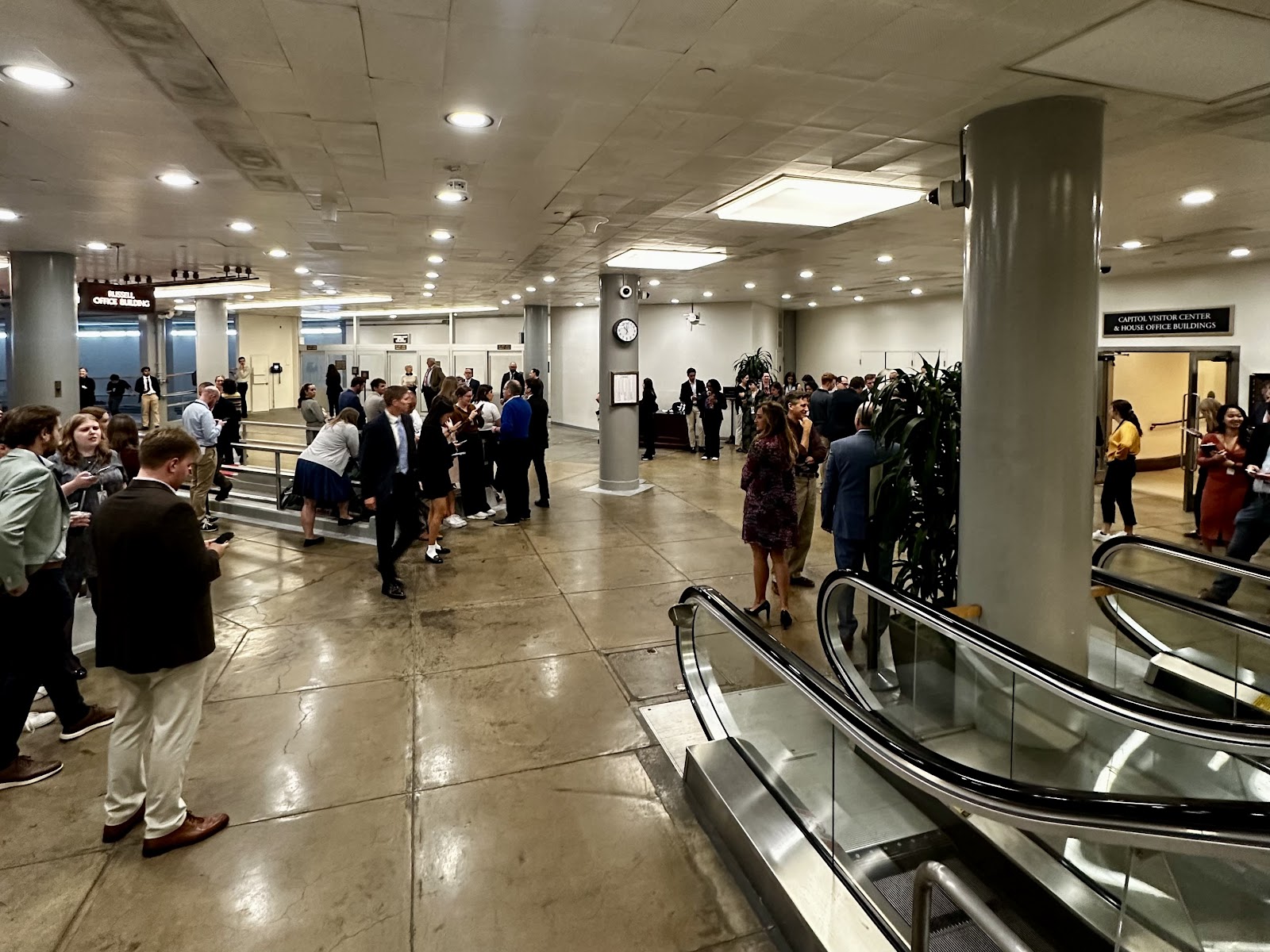
Capitol Hill is always buzzing – constant votes, scheduled hearings and policy talk. But this week was different.
The House side was quiet, as Speaker Mike Johnson kept his members in recess even as the government funding deadline drew closer.
The Senate side, however, was bustling — until it wasn’t. As an intern, I had never experienced Capitol Hill day-to-day life, let alone on the heels of a shutdown.
The last government shutdown happened in 2018, when I was a freshman in high school. I remember my parents complaining about delayed responses from their jobs, which required federal funding to operate.
This time, I’m experiencing it from Capitol Hill.
Tuesday was nonstop hustle and bustle. Journalists were running around talking to senators as they bounced between hearings, meetings and votes.
Then came the shutdown, and immediately, the hallways dried up because visitors couldn’t enter. The Capitol went from a packed foray of crowds to a ghost town. Except outside the Senate floor, where I found myself for hours waiting for senators to come out so I could ask questions.
Such was the case Tuesday, when I rushed out of a hearing to grab an interview with Senate Homeland Security Committee Chair Rand Paul (R-Ky.). I was sure to ask about the reauthorization of the Cybersecurity and Infrastructure Security Agency. His response was gold.
The 2018 shutdown lasted 35 days.
There’s no telling how long this one may last, but Sen. John Kennedy (R-La.) told me in the hallways of the Senate he believes Congress would soon resolve its funding fight. He said he’s “reasonably optimistic” the shutdown wouldn’t last as long as he’d initially expected.
Speaking with reporters, Sen. Elizabeth Warren (D-Mass.) said she and other Democrats are “just trying to hang on” to keep health care prices low.
There’s uncertainty heading into next week, and whether or not the government will even operate. But as a journalist, I’m here for the unpredictability. Isn’t that the fun of it all?
What I’m watching: October means sports equinox. What am I not watching? My beloved Kansas City Chiefs, Los Angeles Dodgers and Phoenix Mercury — all winning. Not a bandwagon fan, just extremely lucky.
Correction: An earlier version of this item incorrectly said Sen. Elizabeth Warren wanted to extend the ACA subsidies for one to two years. She did not specify when asked by reporters about a one-to-two-year extension. We regret the error.
– Zach Bradshaw

Presented by AstraZeneca

The 340B program is supposed to help vulnerable patients—but without strong safeguards, it’s siphoning away funds that could be used for free and charitable medicine. The 340B Rebate Model Pilot improves program integrity, preventing duplicate discounts and strengthening accountability. Urge HHS to implement the pilot today. Learn why it matters.

Crucial Capitol Hill news AM, Midday, and PM—5 times a week
Join a community of some of the most powerful people in Washington and beyond. Exclusive newsmaker events, parties, in-person and virtual briefings and more.
Subscribe to Premium
Special Projects
Explore our deep dives into the issues that matter the most today and will shape tomorrow's future, with expert reporting that goes beyond the headlines and into the heart of the Capitol.
Check it outEvery single issue of Punchbowl News published, all in one place
Visit the archive
Presented by AstraZeneca
The 340B program lacks transparency—making it hard to tell if it’s actually helping vulnerable patients. HHS can fix the problem by implementing the 340B Rebate Model Pilot, ensuring the program is transparent, compliant, and accountable. Learn more.