


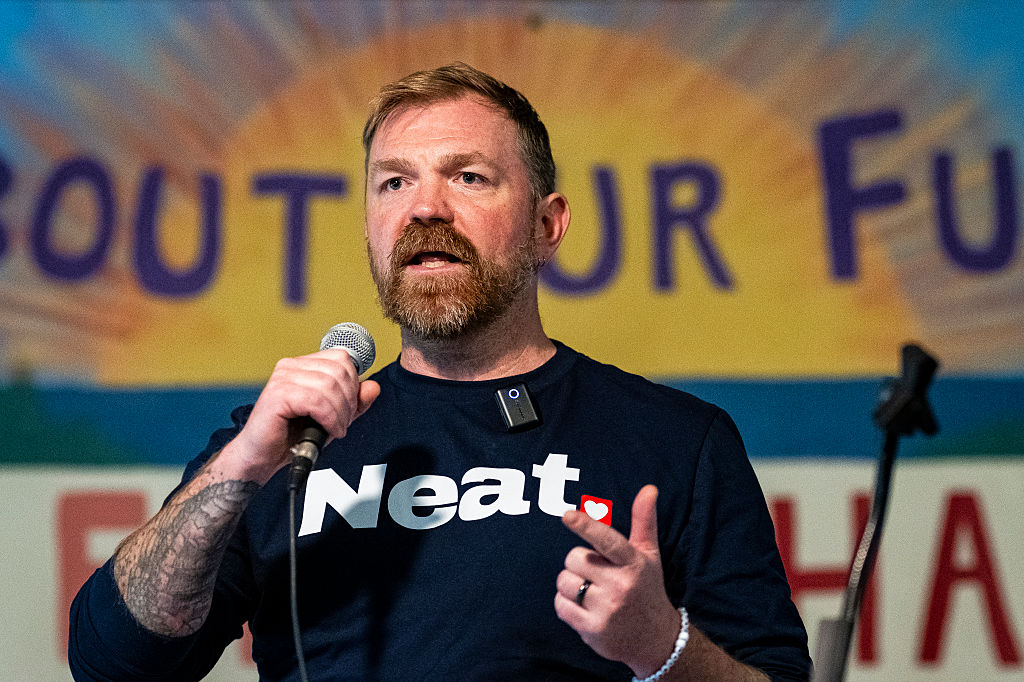
PORTLAND, Maine — Call it Graham Platner’s “pivot to the general election.” But there’s a catch.
After spending months railing against the Democratic establishment en route to an all-but-certain primary victory, the progressive populist acknowledged he needs to work closely with the party’s national leadership to accomplish their shared goal: defeating Sen. Susan Collins (R-Maine).
But not too closely.
“We’re going to need help from the Democratic establishment,” Platner said in an interview, referring to financial support and other crucial resources from the party. “I will say, however, we are not going to take a change of direction. What we have done has worked.”
A defiant Platner added, “We were told this wouldn’t work. And it worked swimmingly.”
It’s the 41-year-old political newcomer’s way of trying to put aside his differences with the party apparatus — namely the DSCC and Senate Minority Leader Chuck Schumer, who backed Gov. Janet Mills in the primary — without compromising the messages and campaign themes that helped him defy the odds.
“If all of a sudden we start getting help from outside and I decide that ‘Medicare for All’ maybe isn’t something I want to talk about, everybody’s going to know what just happened,” Platner said. “We’re not idiots.”
The pivot. Platner’s posture is an acknowledgment that even the most anti-establishment candidates need to embrace their party if they get far enough.
Platner, who’s facing off against a battle-tested incumbent in Collins, said in no uncertain terms that “we will absolutely take help” but cautioned he’ll only accept “advice that we think is good.” This is a nod to the broader debate within the Democratic Party about how to rebuild a winning coalition.
For example, Platner touted what he sees as the crossover appeal of his message and that of President Donald Trump, who similarly ran on an anti-establishment platform of “draining the swamp” and limiting military adventurism.
“Their frustration was at the system,” Platner said of Trump’s voters. “To me, the answer isn’t: ‘That’s why you have to let us Democrats just go do exactly what we were just doing.’”
Strategic differences. Many Senate Democrats, especially progressives, also hope Platner can help quash Washington’s conventional wisdom about “electability” — the idea that a more moderate or traditional candidate is a safer bet in a battleground state.
Mills didn’t lose to Platner because she’s more moderate. Schumer and the DSCC backed Mills because of her strong electoral track record and overall popularity in the state — the same strengths that Collins has used to crush Democratic hopes time and time again.
“I’m not doing this because I’m looking for messages that are going to win,” Platner said. “I’m doing this because this is my politics.”
Personal history. At a town hall here, a Vietnam veteran pressed Platner on whether he’s prepared for the expected onslaught from Republicans. Platner will face intense scrutiny over past racist and sexist comments, as well as a Nazi symbol tattoo he had.
In response to the questions, Platner vowed that the GOP efforts would “fail miserably” and mocked “the idea that the Republicans are going to go after me specifically for having taken part in too much war that they started.”