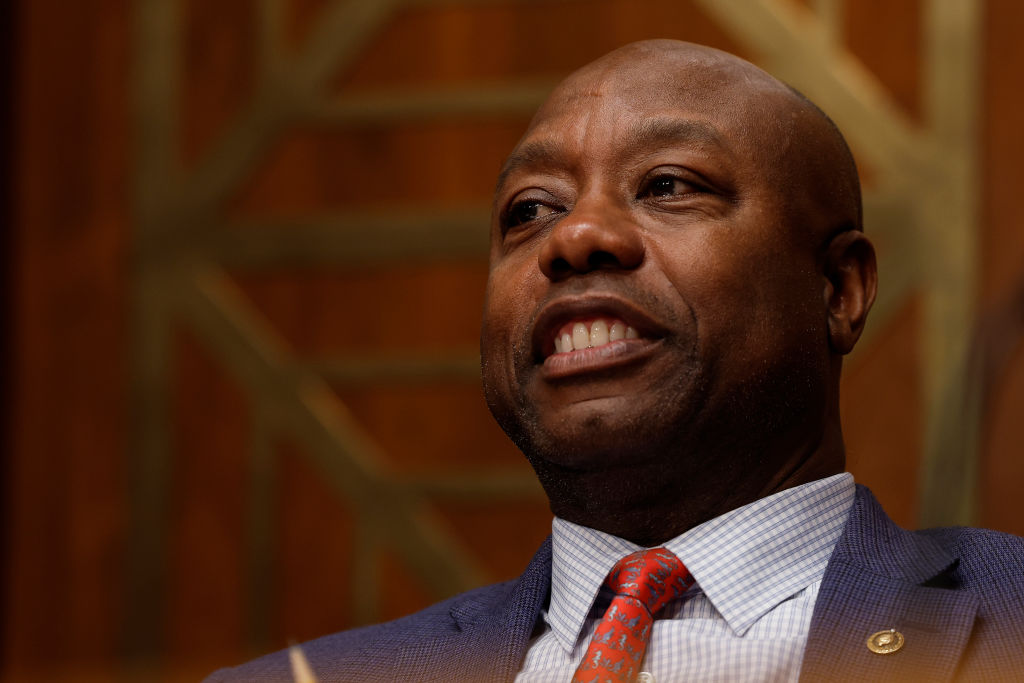
News: Sen. Tim Scott (R-S.C.) will release a framework today outlining a vision for Republican-led reform of U.S. capital markets. The Securities and Exchange Commission is on the menu.
Scott is the top Republican on the Senate Banking Committee and a GOP presidential candidate. But this approach is in some ways a departure from previous Republican attempts at reform of capital market rules — see the JOBS Act. Scott is calling his bill the Empowering Main Street in America Act, and you can read a fact sheet on it here.
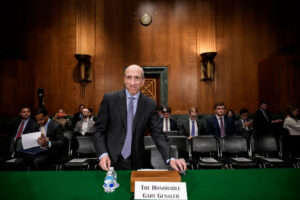
The clearest objective here is reining in the SEC, the federal markets regulator led by Chair Gary Gensler. Republicans have frequently butted up against Gensler over the past two years.
Scott promises to change that by mandating the SEC chair testify twice in both chambers of Congress, issue more reports to Congress and use more robust cost-benefit analysis tied to proposed regulations.
Beyond the SEC, we’re told the Scott plan is aimed at reforming both public and private markets. Prior efforts have focused mostly on public markets. Scott’s emphasis on private markets is intended to make it easier for a wider spectrum of small businesses to access capital.
The legislative text doesn’t quite exist yet. Scott’s team wants feedback from industry and other market participants before putting pen to paper. We’ll keep you posted.
Housing scoop: TransUnion is mounting another effort to stop the Federal Housing Finance Agency from changing its credit report requirements for mortgages.
In a letter we obtained, TransUnion urges the Federal Housing Finance Agency to abandon its plan for a “bi-merge,” which would reduce the number of credit reports a borrower needs in order for a mortgage to be sold to Fannie Mae and Freddie Mac.
The credit bureau — one of the three big ones, along with Experian and Equifax — argues the shift will reduce access to credit, citing internal research. The FHFA under the Biden administration has argued the shift to bi-merge would expand mortgage access, but it delayed the transition in September.
Here’s the core of TransUnion’s warning:
Senate Republicans led by Scott back in October urged the FHFA to change course in the bi-merge process.