


News: The Financial Technology Association has assembled a sweeping coalition of fintech, crypto and merchant groups to try to preserve the legal framework that undergirds “open banking.”
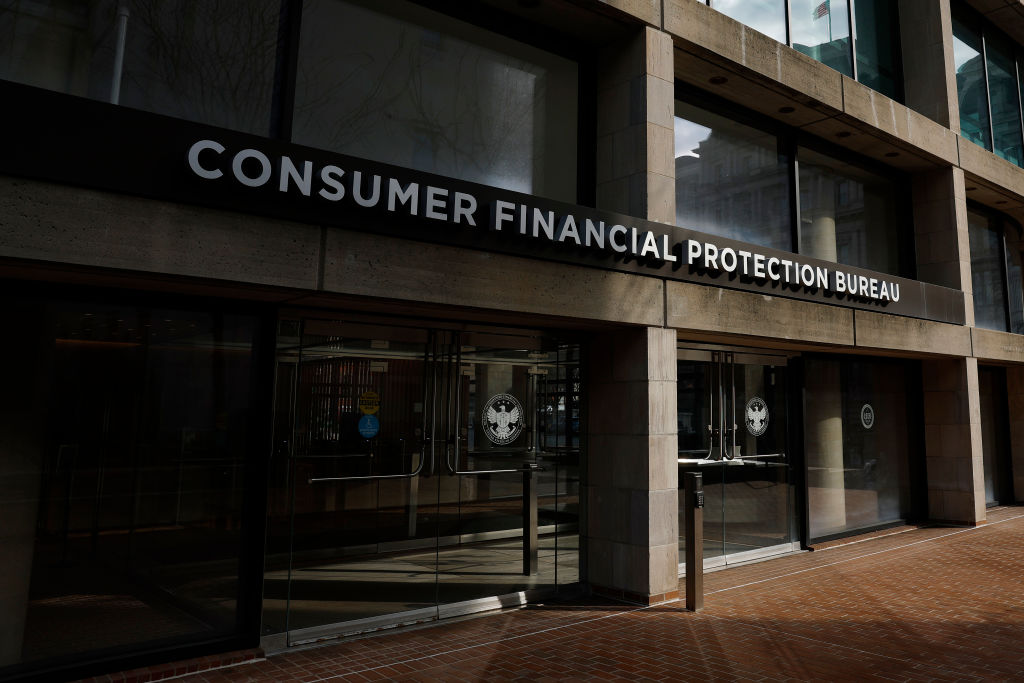
Today is the deadline for a comment period that will reconsider the implementation of open banking rules mandated by the Dodd-Frank Act. After more than a decade, those rules were briefly finalized under the Biden administration. Then, in August, the Trump administration’s Consumer Financial Protection Bureau hit the reset button.
The FTA’s comment letter, which you can read here, shows a significant swath of industry support for preserving key parts of the Biden administration’s original approach to open banking — unless you’re a bank.
“The nation’s largest banks want to roll back open banking, weaken consumer financial data sharing and crush competition to protect their position in the marketplace,” the letter warned. Signatories include the FTA, American Fintech Council, Blockchain Association, Crypto Council for Innovation, Financial Data and Technology Association, National Association of Convenience Stores, National Grocers Association and National Retail Federation.
Open banking is an attempt to make it easier for customers to access and transfer their financial details between different regulated firms. Banks don’t love the policy for a few reasons, including fears that open banking could make it far easier for customers to switch banks and threaten their deposit bases.
Policy pique. The coalition has two main asks for the CFPB, and both are aimed at preserving the Biden administration’s approach to open banking.
The first is on the regulatory definition of a “representative” who can request a customer’s data. The fintech-crypto-retail coalition asks the CFPB to avoid narrowing the definition of “representative” to someone who has a fiduciary relationship with a customer, which is a far higher bar than the prior approach.
“It would be unusual to hold third-party financial apps to a higher legal standard than banks themselves—who aren’t typically fiduciaries to their customers,” the letter says.
The second request is aimed at fees — specifically, the lack thereof.
The Biden administration’s open banking rule prohibited banks from charging fees for access to customer data. After the CFPB rescinded the rule earlier this year, JPMorgan Chase prepared to charge fintech firms for data access — a move that was swiftly decried by Tyler Winklevoss, founder of the crypto exchange Gemini.
Bankers argue that it will cost them money to implement open banking access and fees are a fair way to cover the expenses. The coalition disagrees. “Most of what banks claim as new costs — cloud storage, engineering staff, technology infrastructure — are things they already pay for to run a modern bank.”