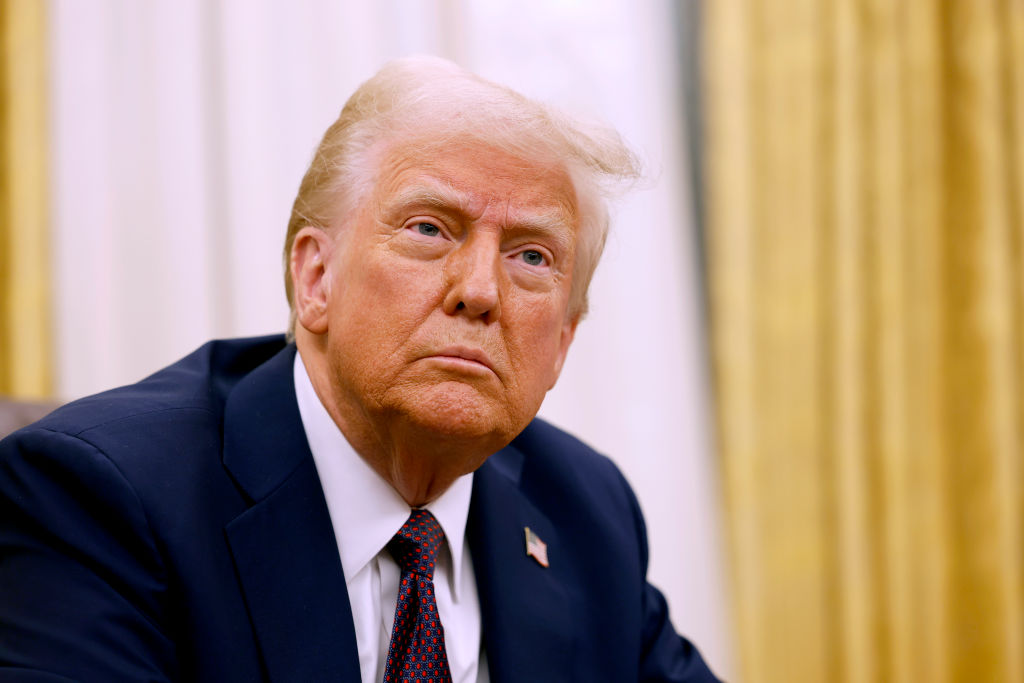
The White House is prepping an executive order with potentially widespread implications for the defense contracting sector — and we’re getting our first sense of how it’s playing.
As we scooped, the evolving order could limit stock buybacks, dividends and executive compensation for military contractors, multiple sources told us.
The executive order is the latest effort by the Trump administration to challenge the generational dominance of the defense prime contractors, the biggest beneficiaries of nearly $1 trillion in annual defense spending.
But some worry that such an executive order could have a chilling effect on investments in the broader defense industrial base.
“The fear is the investors are going to leave the industry, the value of the companies is going to go down, and it’s going to be harder for them to get capital in the future,” an industry official told us. “It’s not clear how they do this.”
The push comes as the Trump administration and the Pentagon in particular have put public pressure on longstanding defense primes. DOD officials have also prompted those companies to invest more of their own internal dollars into research and development work before receiving money from the government.
On the Hill, lawmakers have set their sights on how the defense industry does business — most notably through the annual defense policy bill, which is slated to clear the Senate this week and then head to President Donald Trump’s desk.
More news. Sen. Elizabeth Warren (D-Mass.) and Rep. Chris Deluzio (D-Pa.) sent a letter to Treasury Secretary Scott Bessent late Tuesday asking whether he stands by his comments in October about limiting defense contractor stock buybacks. The two Democrats also questioned whether Bessent would support inclusion of that sort of language in national security contracts.
“Americans deserve a defense industry that prioritizes innovation and competition to help the U.S. military protect Americans, rather than one focused on shoveling more money out the door for shareholders and executives,” the Democrats wrote. The two added they “look forward to a potential partnership” with the Trump administration on the issue.
The NDAA includes language to overhaul the Pentagon’s onerous approach to buying weapons and encourages the use of faster-moving contracting tools to work with smaller companies.
Those changes, backers say, are provisions that could ultimately help improve the performance of defense businesses broadly, including the on-time and on-budget delivery of weapon systems.
“As you open the window for those companies, I think what we’ll find is that all the other issues of efficiency, performance on contracts, is going to get much better because the wider you open the aperture, the more people that you involve, the better off you are,” Rep. Rob Wittman (R-Va.) told us.
But in a setback for Hill advocates, the final NDAA didn’t include a bipartisan, bicameral provision that would have given service members the right to repair their own equipment. That language, included in both the original House and Senate versions of the bill, was rolled back amid staunch opposition.