A push from defense hawks to slap new sanctions on Russia has run into another politically toxic snag: tariffs.
President Donald Trump has been reluctant to bless a congressional effort on sanctions, which has overwhelming bipartisan support. The White House has already forced revisions that would expand the president’s tariff authority. This is now threatening Democratic support.
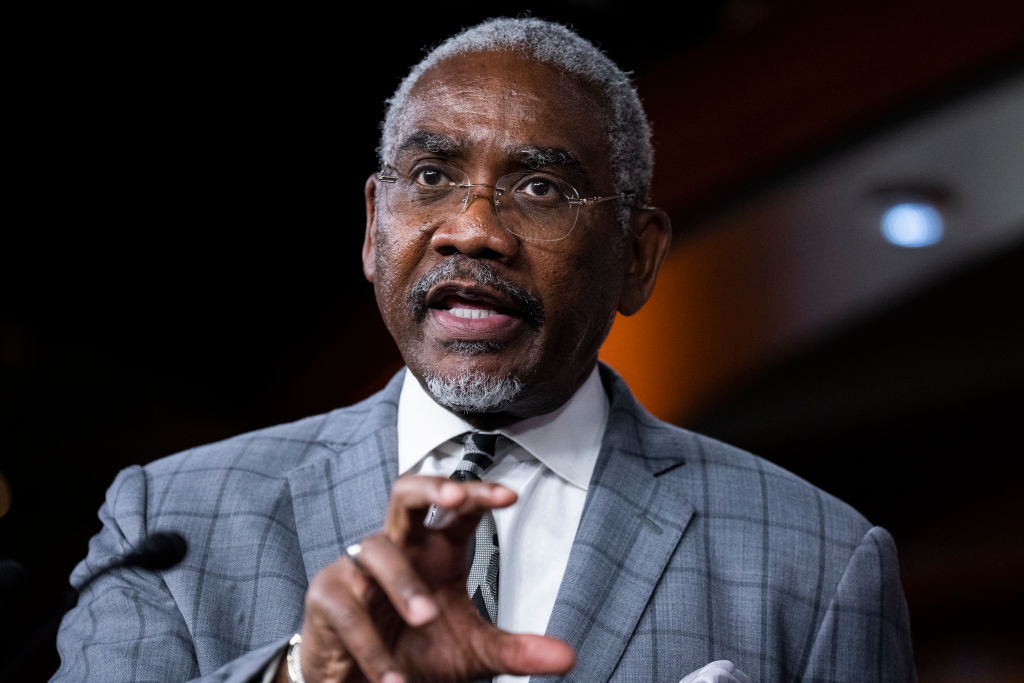
“We can do things that target Russia,” Rep. Gregory Meeks (D-N.Y.), ranking member of the House Foreign Affairs Committee, told us. “Tariffs turn out to really just be a tax [on] the American people.”
The tariff changes set off alarms for key House and Senate Democrats, who oppose the administration’s trade wars and don’t want to give any ammunition to the White House’s Supreme Court case.
Meeks and Reps. Brian Fitzpatrick (R-Pa.) and Steny Hoyer (D-Md.) met Wednesday and are likely to strip out all of the tariff language from the House bill and boost the sanctions portion instead. The group expects to settle on consensus language this morning and use it to get moving on a discharge petition.
But Sen. Lindsey Graham (R-S.C.), who is leading the Russia sanctions effort in the Senate, isn’t backing down.
Since first introducing the bipartisan sanctions bill, Graham has beefed up authorities for the administration to levy tariffs on third-party countries that buy Russian oil.
Now Graham wants to keep the tariff language, according to sources familiar with the discussions. This leaves the push in a fragile spot. And it means that even if Trump comes around, the proposal still may not be able to win congressional approval and reach his desk.