The opposing camps in the latest spectrum fracas are both claiming to have the Trump administration on their side.
Sen. Deb Fischer (R-Neb.) said both Defense Secretary Pete Hegseth and Joint Chiefs of Staff Chair Gen. Dan Caine have told the Nebraska Republican that they “understand” and support her proposal to give the Pentagon more power to block auctions of Pentagon airwaves.
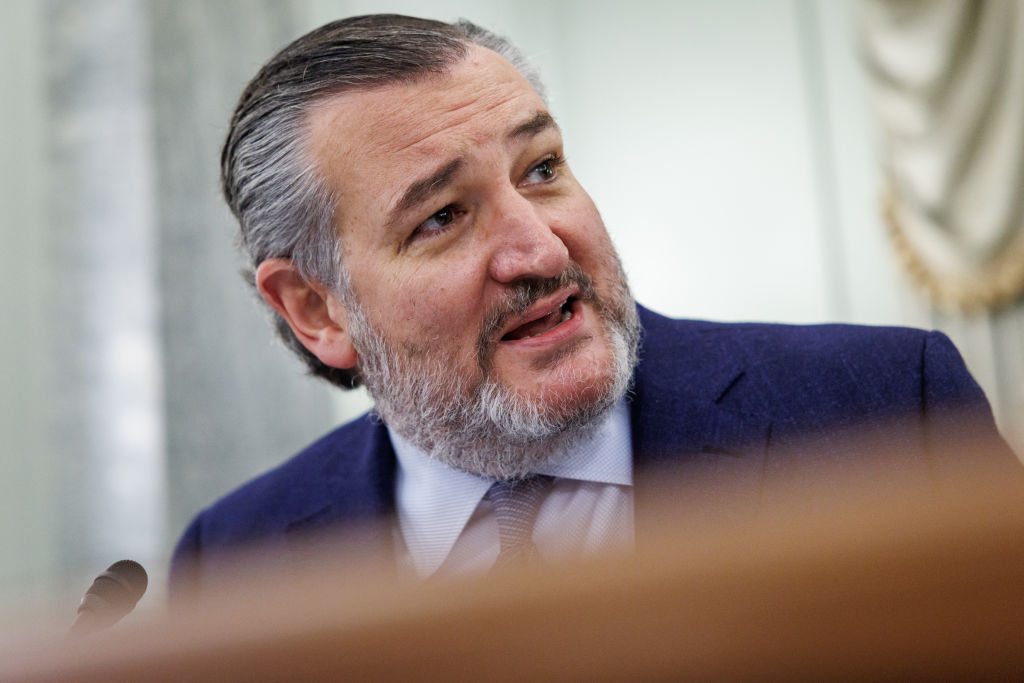
But Commerce Committee Chair Ted Cruz (R-Texas) is pointing to a White House policy statement opposing the provision to say President Donald Trump doesn’t want the new restrictions enacted.
“I expect that Congress will respect President Trump’s wishes,” Cruz said.
What’s going on here? We are back to a familiar place for anyone who’s followed the GOP spectrum wars — Fischer and Sen. Mike Rounds (R-S.D.) are pitted against Cruz over the fate of spectrum used by the military.
The Senate’s National Defense Authorization Act includes a provision from Fischer that would block any auctions of certain Pentagon airwaves unless both the defense secretary and the joint chiefs chair jointly agree to the sale.
The frequencies in question are already carved out from auctions until 2034 under an agreement between Fischer, Rounds and Cruz as part of the One Big Beautiful Bill Act.
But Fischer said it’s important to also have the military’s top brass’ “perspective” before any auctions.
“I’ve been in classified briefings, and because of my position on the Strategic Forces subcommittee, we have briefings that other senators don’t have. There is a definite need to be able to have that spectrum,” Fischer said.
But Cruz has said the provision represents an “insidious power grab” to give the military more control over the federal government’s airwaves. In the policy statement Cruz pointed to, the White House said the proposal would “hinder the President’s executive authority.”
Fischer told us the White House “knows” her “feelings” and that officials there “hear it” from the DoD too. We’ll note that Rounds, a longtime Fischer ally on these issues, supports her provision. Fischer also told us that Senate leadership has made a commitment to keep her proposal in the final NDAA.
The Pentagon didn’t respond to our request for comment on Fischer’s spectrum proposal.