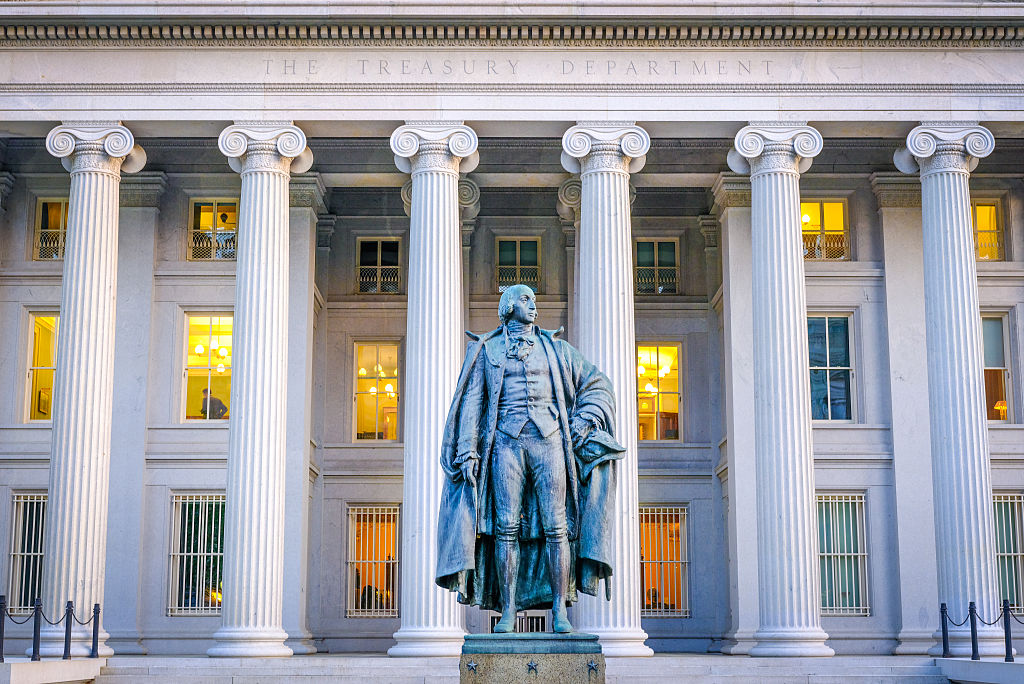
First in the Vault. The Treasury Department has begun quietly asking private credit firms to submit information detailing their business models and ties to the regulated financial system, according to multiple sources familiar with the outreach.
The private credit sector has come under increasing strain in recent weeks, prompting investor heartburn and growing worry about systemic risks for the wider financial sector. Economic turbulence from the war in Iran has been a recent driver, but private credit has also been walloped by its exposure to the software industry as well as internal shakiness last fall.
The data requests from the Treasury Department, first reported here, mark a new phase in the Trump administration’s effort to understand and contain any damage from private credit’s wobbles.
A Treasury spokesperson said the department “routinely confers” with market participants and financial regulators about private credit.
Knock knock. Treasury personnel have been holding one-on-one meetings with private credit leaders for months. Now, the department’s Office of Capital Markets is leading the information-gathering effort and asking for written responses, according to two sources familiar with the process.
Treasury is asking select firms to provide information about their recent performance, as well as their relationships with banks and insurance firms, including reinsurance companies. The companies have also discussed overall liquidity risk and a proposed rule from the Department of Labor to open up 401(k) retirement accounts to alternative assets.
The sector’s top advocates in Washington are involved in the process. In a statement, American Investment Council CEO Will Dunham said: “Private credit funds are well-regulated entities that provide extensive, transparent data to both federal and state financial regulators. Our industry welcomes the opportunity to continue our conversation with regulators about a sector that is functioning as designed.”
The broader financial services industry continues to project confidence about private credit. JPMorgan Chase CEO Jamie Dimon dismissed the traditional financial system’s “systemic” exposure Tuesday morning.
“You have to have very large losses in private credit before at least it looks like banks are going to get hit,” Dimon said.
Others are plenty nervous. John Ray III, the CEO of the once-beleaguered crypto exchange FTX, told Semafor Tuesday that mid-sized regional banks could be particularly at risk of a private credit wipeout.