

Creators earn 55% of ad and subscription revenue.
Content to Commerce
Cassey Ho was at the forefront of the creator economy – and a multi-million dollar business – when she posted a quick home workout in 2009. She just didn’t know it yet.
Fast forward more than 15 years, and Ho is a wildly successful businesswoman and fashion designer with one of the leading fitness channels, a wellness website, millions of followers and her own clothing and accessories line. Even celebrities like Taylor Swift have been spotted in Ho’s designs.
“When I first started in 2009, and those who started before me, none of us knew that this would make money,” said Ho, who now has the YouTube channel Blogilates and the athleisure line POPFLEX. “But now that there is this track record, this success that the younger generation has seen as they grew up watching us on YouTube, it’s cool to see that there are more content creators. But the intention is so different.”
Presented by
go to YouTube
Ho is an example of how content creators are using their online platforms as a launchpad for offline success, sometimes to levels never imagined just a few years ago. Creators like Ho are starting full-blown brands with retail lines, partnerships and dozens of employees, triggering an economic impact far beyond their initial content.
Ho was able to capitalize on her success making fitness videos into a full wellness brand when she realized her audience wanted to see more from her. Now, she’s a CEO, head designer and a content creator.
“It’s always been my dream to become a fashion designer. I did not know how I was going to get there,” Ho said. “Through YouTube, through building a community, it happened because of the support of everyone who’s been following along on this journey.”
The challenge for Congress, now, is figuring out how to best support these creators and their businesses and the unique hurdles they’re facing.
The Impact
Businesses like Ho’s may seem to primarily be online, but in reality, they’re making a significant impact in states and local communities. Content creators leading these companies are hiring employees and spurring local economic activity.
Ho has 30 employees who work remotely. She also has a photo studio in Los Angeles and a design studio in Atlanta. In Los Angeles, Ho said she has a photoshoot nearly every month and hires locals who represent women of all sizes.
“One of the coolest things we do is called ‘Content House,’” Ho said. “We feature our clothes on women directly from our community, like actual customers. These are not professional models, and so we hire women from sizes extra, extra small, all the way to 3X.”
"I always wanted to have a clothing line, a fashion line. It's always been my dream to become a fashion designer."
Sen. Adam Schiff (D-Calif.), who sits on the Senate’s Committee on Small Business and Entrepreneurship, said he sees the rise of content creators as job creators.
“It’s definitely a burgeoning part of the economy,” Schiff said in an interview. “It’s a great new opportunity for people to start their own small business, and sometimes make it into a multi-million dollar brand.”
Creator Spotlight
Ho taught Pilates in college to earn extra money, combining the workouts with fun pop music. Ho started posting videos to YouTube in 2009 to stay connected with her students after she moved across the country.
Soon, Blogilates was born. Ho’s audience began to expand outside of her former students, and, by 2012, her channel was a full-time job. Then, the next chapter began.

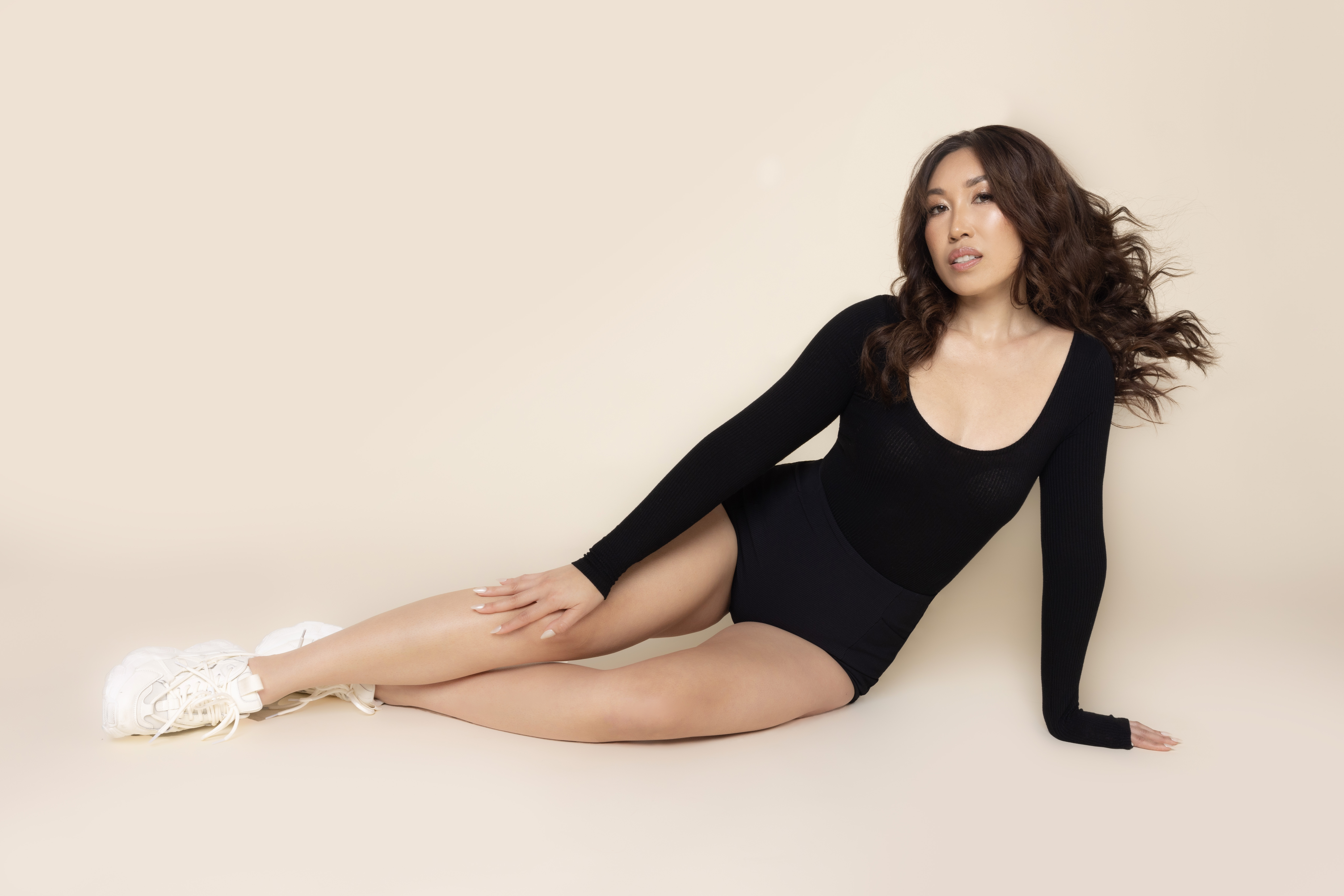
Ho’s subscribers started asking for brand-related merchandise, and she saw an opportunity to finally achieve her dream of becoming a fashion designer. In 2016, Ho launched her athleisure brand POPFLEX – and her customers now include Swift, who wore Ho’s “pirouette skort.”
Ho also recently launched an exclusive Blogilates clothing brand with Target. Ho’s designs are now in around 1,800 Target stores. Seeing her brand in Target for the first time was an unforgettable moment, Ho said.
“I walked in and I was filled with so much emotion,” Ho said. “I started crying because my parents told me, ‘You can’t be a fashion designer, you need to be a doctor.’ And they told me I wouldn’t be able to make it. And here I am, walking in to see my clothing at the very front of 1,800 Target stores.”
Ho credits her success offline to the community she was able to build at YouTube. Creators who want to similarly expand into other businesses need to maintain authenticity and build trust with their audiences, Ho said.
Presented By
Go to YouTube
Source: *YouTube Internal Data, Jan-Dec, 2024, **Oxford Economics 2024 YouTube Impact Report
0%
0% increase year over year
In the US, the number of YouTube channels making 5 figures or more in revenue (the USD) is up more than 10% year over year (a/o Dec 2024)*
$0B
YouTube’s creative ecosystem contributed over $55 billion to the US GDP in 2024.**
0K+
In 2024, YouTube’s creative ecosystem supported more than 490,000 full time equivalent (FTE) jobs in the US.**
“I created a lot of trustworthiness,” Ho said. “And that’s just who I am. I’m a people pleaser. …That is a big part of the soul of the brand.”
Even as her team has expanded, Ho is still the only one who shoots and edits her videos. Ho said she enjoys the process of storytelling, especially with her own products, and wanted to keep doing that herself.
“It’s really cool that I get to market and tell the story of the product the way that I want to,” Ho said, “And that’s why I choose to make my own videos.”
Ho also has a website promoting her workout videos and retail shop, as well as a blog, comics and recipes.
The Policy Play
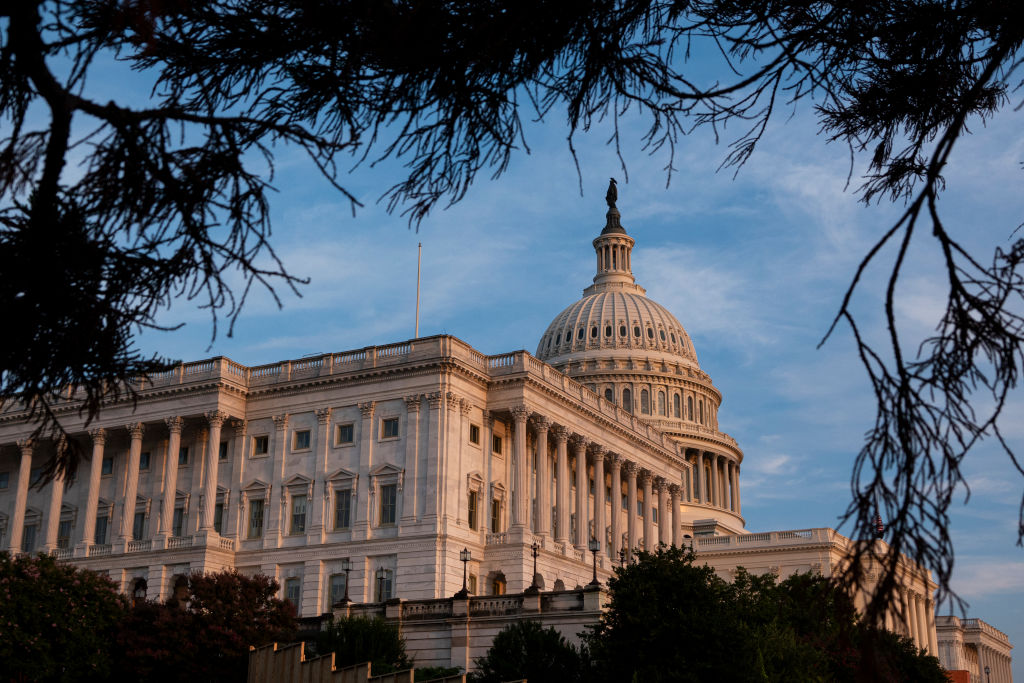
Many lawmakers are noticing the economic impact content creators are having in their states and districts. The main question legislators have is how to best support these creatives.
Ho said a major problem she has run into is the explosion of clothing knock-offs that she has to fight against.
Ho has a patent on some of her products, like the “pirouette skort” that Swift wore. But that doesn’t stop the onslaught of knock-offs that have entered the market, including a flood of listings after Swift made Ho’s skort go viral.
“It’s insane,” Ho said. “Then I started seeing the big American billion-dollar corporations infringing my patent.”
"They told me I wouldn't be able to make it and here I am walking in to see my clothing at the very front of like 1,800 Target stores."
Ho said Congress needs to step in to help patent owners defend their patents. Sens. Chris Coons (D-Del.) and Tom Cotton (R-Ark.) have legislation that would do just that by restoring the presumption that courts will issue an injunction to stop patent infringers.
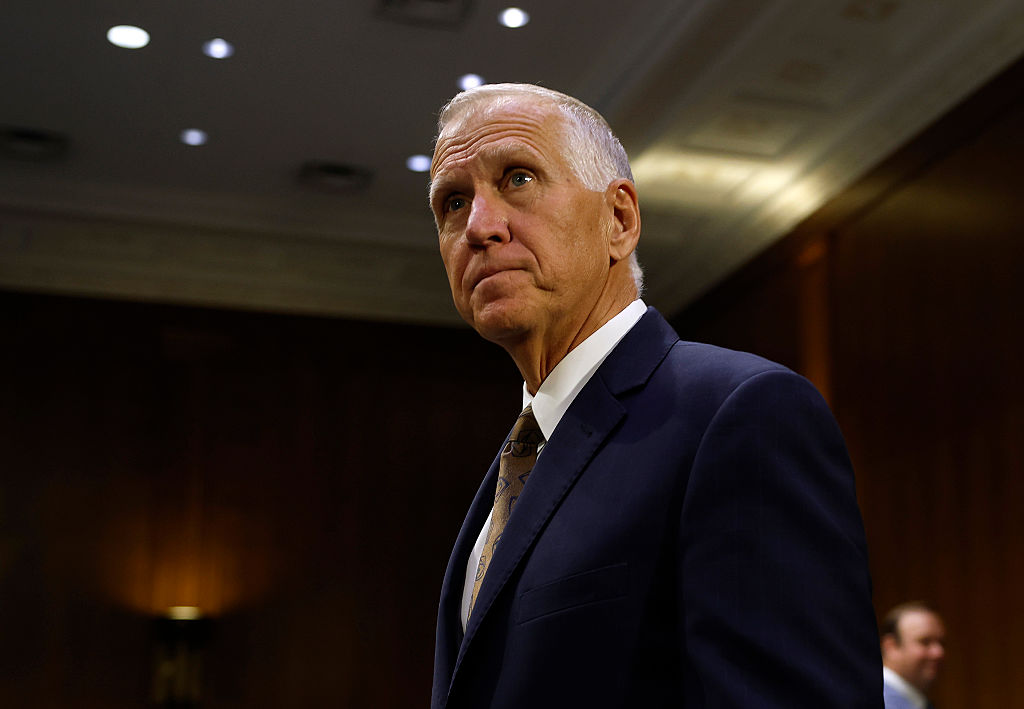
But changes to patent law have been hard to enact. Coons and Sen. Thom Tillis (R-N.C.) have been trying for years to enact various clarifications to patent law and improvements to patent tribunals, though the legislative efforts haven’t gained much traction.
Other lawmakers are trying to balance the business needs of content creators with their own national security concerns over apps like TikTok, which some creators use to sell and promote their own products..
Sen. Ed Markey (D-Mass.), the top Democrat on the Senate’s Small Business Committee, said he thinks Congress needs to find a way to support creators on apps like TikTok while protecting national security. Markey has a discussion draft of a bill that he says solves that problem.
“We have to find a way of threading the needle between the need for those creators to stay online and in business and also to protect our national security,” Markey said. “That’s the legislation that I’m working on introducing in the near future.”
As lawmakers see more of an impact from creators in their own states, they’ll be under more pressure to find legislative solutions or boosts to help creators’ businesses. Lawmakers are already taking notice – so the legislation may soon follow.
— Samantha Handler

