

Creators earn 55% of ad and subscription revenue
Offline to Online
Old and New
Steve Andrianos’ grandfather arrived in the United States exactly a century before YouTube was founded in 2005. Today, the video platform has raised the family-owned candy business to new heights.
Steve’s grandfather and his brothers opened their business, which they eventually named Hercules Candy, in East Syracuse, N.Y., in 1910.
Steve and his wife, Terry, still make candy the way it was crafted a century ago. They and their employees, however, also slice caramels, bend green apple ribbons and gently tease each other on camera – all for more than one million YouTube followers.
Presented by
go to YouTube
Those fans, and the many candy orders they put in, ensured Hercules survived the Covid-19 pandemic and came out of it thriving. Hercules moved to a bigger space, hired up and shipped as many sweets during the early months of the pandemic as they would normally fulfill during the busy holiday season.
“It wouldn’t have happened without YouTube,” Terry Andrianos said of all the growth they had during such a turbulent time.
Even the YouTube presence is a family affair: Steve and Terry’s son, Craig, manages the store’s posts.
Online creators have been building their presence in Washington, shaking up entertainment and helping to grow the communities around them. Like Hercules Candy, many brick-and-mortar businesses are finding new success online. As companies shift even more of their business online, these creators are encouraging Congress to keep up – ensuring federal policies don’t hinder the economic growth they’re generating.
"All of the other employees, whether part-time or full-time, were because we had so much demand from all the YouTube videos."
- Craig Andrianos
The Impact
According to research that Oxford Economics prepared for YouTube, 70% of small and medium-sized businesses using the site say being creators there “has translated into increased activity off-platform.”
In fact, creators are increasingly becoming brands unto themselves, rather than just partners or spokespeople for existing companies. And they can be a powerful force in sales: Creators, celebrities and other high-profile influencers drove half of product sales via social media in 2024, according to analysts at eMarketer.
“In recent years, a key theme in the creator economy has been the expansion of creator-led brands and businesses,” Goldman Sachs wrote in a report earlier this year. The report also noted many jobs in the creator economy are based in fields like sales and engineering.
For Hercules Candy, where Craig Andrianos started posting on YouTube in 2016, the impact has been felt in real life. Being on YouTube has meant moving from a house to a permanent storefront and hiring six full-time employees, plus three part-time employees.
“All of the other employees, whether part-time or full-time, were [hired] because we had so much demand from all the YouTube videos,” Craig said.
Like Hercules, many traditional brick-and-mortar retailers use their creator presence to drive sales through physical stores and websites. At the same time, other creators are deriving revenue from those classic partnerships, or new models like subscriptions, tipping and ad splits with platforms.
Creator Spotlight
Hercules has lived a lot of lives. Across three generations of ownership, it’s been a storefront and a home operation. It was a seasonal business and then year-round (thanks to air conditioning), and it’s been based both in East Syracuse and 30 miles up the road in Fulton, N.Y.
After Steve’s father closed Hercules for a few years, Steve saved up $500 to reopen it in 1977.
By the spring of 2018, their YouTube success had already allowed the Andrianos family to bring on a lot of the full- and part-time help they now have. The resulting online sales also meant the popular store could afford to move to a renovated location downtown with much more space.
“It made us so busy that we popped out of our space,” Terry said of the YouTube channel. “We reached maximum capacity. We could not fit one more candy bar.”
Steve added: “Everything was piled up to the ceiling, as high as we could go.”
"YouTube kept us going, we were busier than when the store was open because of all the people at home watching the videos we were making."
- Terry Andrianos
When the pandemic struck in 2020, lockdowns were devastating many small businesses. Once Steve and Terry found out they could stay open as essential workers, though, they were shocked to discover their YouTube viewers were about to make them busier than ever.
“We became their family because they were quarantining at home alone,” Terry said. “We stepped into the void, and they were just buying whatever they saw us making.”
Three months into lockdown, Hercules had one of its most viral videos — a 15-million-view peek into an experiment with strawberry lemonade hard candy. As a result, Hercules faced more demand than it normally would during the Christmas rush and had to stop posting for six weeks just to catch up with orders.
Steve said his grandfather, who struggled to keep Hercules afloat during the Great Depression and World War II, would likely be shocked at the success Hercules is having.
“He was doing it in the basement, and he wanted it to get back to where it used to be,” Steve said. “So I know he would be really happy.”
Presented By
Go to YouTube
Source: *YouTube Internal Data, Jan-Dec, 2024, **Oxford Economics 2024 YouTube Impact Report
0%
0% increase year over year
In the US, the number of YouTube channels making 5 figures or more in revenue (the USD) is up more than 10% year over year (a/o Dec 2024)*
$0B
YouTube’s creative ecosystem contributed over $55 billion to the US GDP in 2024.**
0K+
In 2024, YouTube’s creative ecosystem supported more than 490,000 full time equivalent (FTE) jobs in the US.**
Policy Play
Lawmakers who pay attention to digital creators say they view the law and regulatory issues surrounding the sector as closely connected to traditional entrepreneurship concerns.
“Small business people now are the creators themselves,” Sen. Cory Booker (D-N.J.) told us. “They’re able to market products, do endorsements and the like. So we’re just seeing a whole new economy opening up.”
Creators recently won a victory when they were included in the “no tax on tips” policy included in the Republican reconciliation law.
Digital creators have also been using their increasing presence in Washington to push for a more concrete definition of their industry that would help them streamline tax and other financial issues.


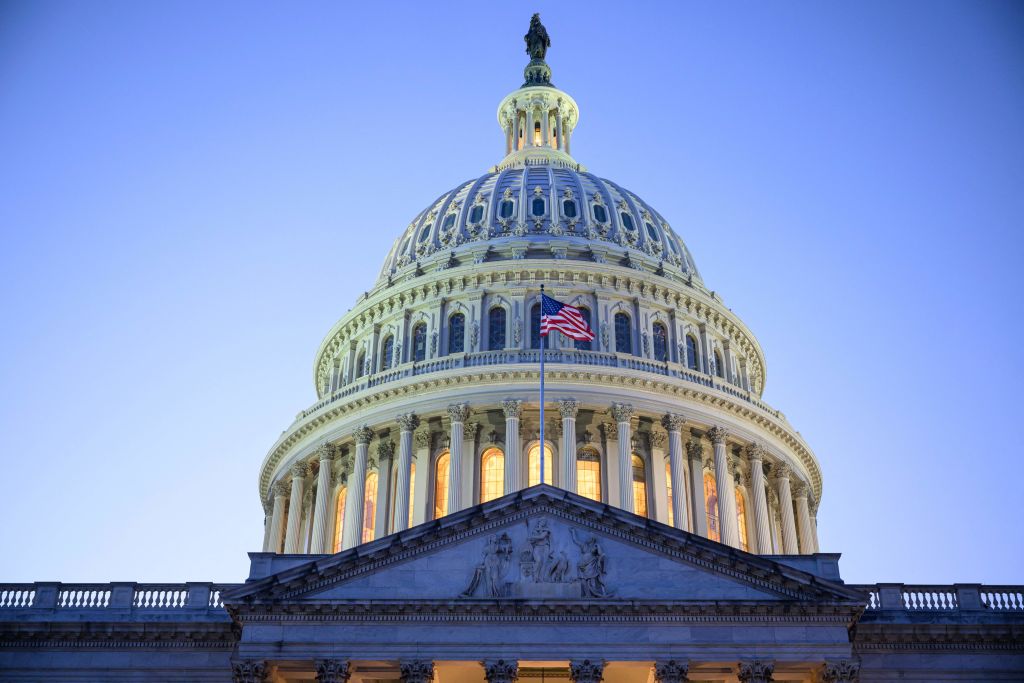
The House Small Business Committee is diving into creator issues, too, with an ambitious agenda. The panel held a hearing on the topic in September, with lawmakers and witnesses weighing in on regulation, education, likeness rights and other issues.
Chair Roger Williams (R-Texas) also laid out several of his priorities for us.
Creators’ “opportunities come with a new set of challenges: unpredictable revenue streams, complicated tax structure and costly intellectual property protections,” Williams said in a statement. “The Committee is working to advance policies that cut red tape, safeguard innovation and creative content, and protect the new generation of small businesses.”
As creators’ digital presence becomes more intertwined with Main Street success, the committee — and many other lawmakers — will have a lot to dig into.

